
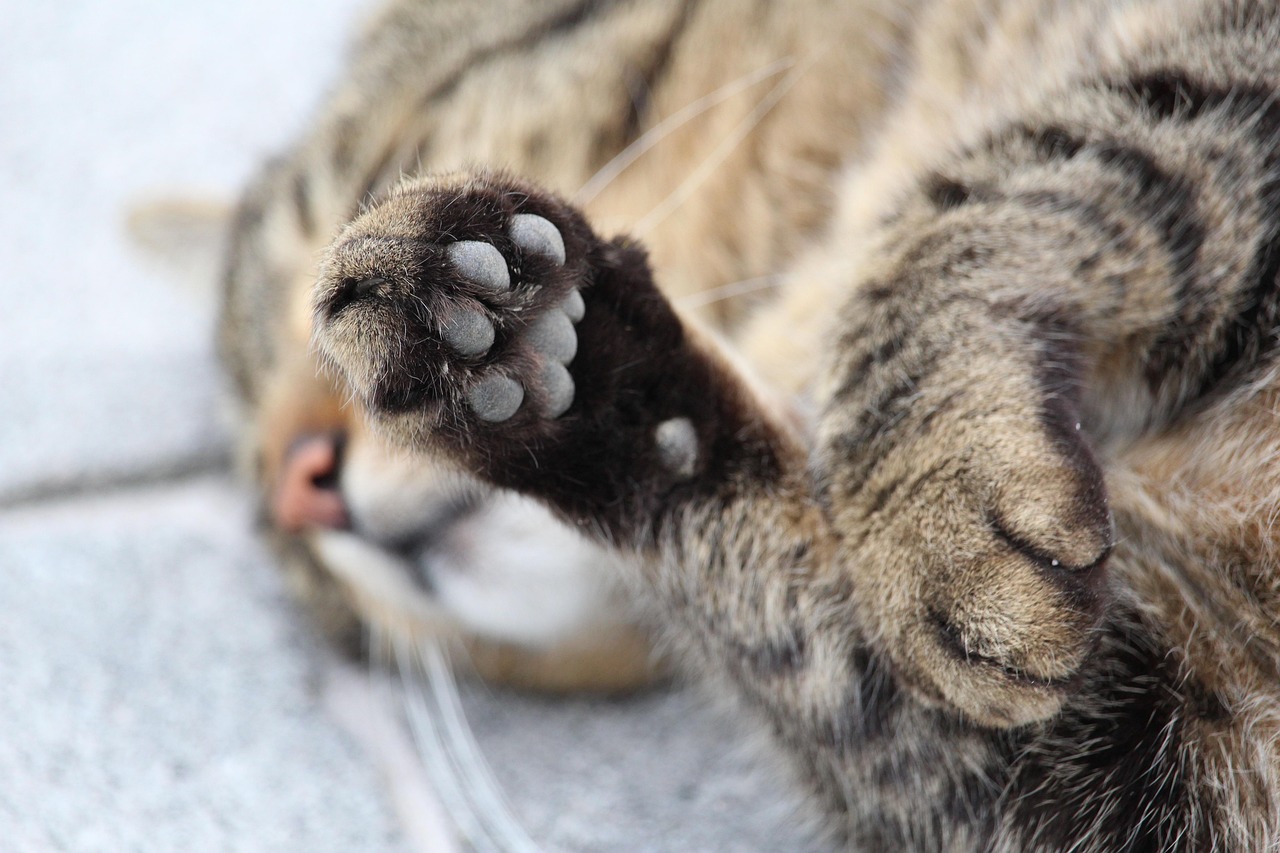
Your cat’s paws are sensitive and essential to everyday life — walking, grooming, and scratching. When a paw infection develops (sometimes described as an infected cat paw, cat paw issues, a cat paw pad infection, or simply paw infection in a cat), cats can become uncomfortable, anxious, or reluctant to move around. Because cats are good at hiding pain, you need to know what to look for and when to act.
This guide covers what causes cat paw infections, how to recognize the early warning signs, what treatment looks like, and how professional grooming can help prevent problems before they start. If you’re a Brooklyn cat owner, understanding paw infections can save your cat a lot of discomfort.
Table of Contents
ToggleKey Takeaways
- Bacterial and fungal infections are the most common cause of cat paw problems, often entering through small cuts or dirty environments
- Early detection is critical — a minor paw issue can become a serious abscess or infection if left untreated
- Symptoms include limping, excessive licking, swelling, discharge, or bad odor from the paw area
- Prevention through regular nail trimming and environmental cleanliness works better than treatment
- Professional grooming every 4-6 weeks catches problems early and keeps paws clean and trimmed
What Causes Cat Paw Infections?
Cat paw infections rarely have a single cause. They develop when bacteria, fungi, or physical injury create the right conditions for infection.
Bacterial or Fungal Infection
The most common cause is bacteria or fungi entering through small cuts, punctures, or abrasions on the paw pad or between the toes. Cats step on dirty surfaces, sharp objects, or debris without protection, creating an opening for microbes. If the wound goes unnoticed and stays moist, infection sets in quickly.
Ingrown or Overgrown Nails
When nails grow too long or curl inward, they can penetrate the paw pad itself, creating wounds. This is one of the easiest problems to prevent with regular trimming. Once a nail has pierced the pad, infection is likely.
Insect Bites or Stings
Bites from ants, fleas, bees, or spiders can trigger allergic reactions or secondary infections, especially if your cat licks or scratches the area repeatedly (Tampa Bay Animal Hospital).
Foreign Objects Lodged in the Pad
Splinters, glass shards, thorns, or other sharp items can get stuck in the paw pad. If left unremoved, they create an ongoing wound that becomes infected.
Allergies or Autoimmune Conditions
Some cats have allergies or autoimmune disorders that make their paws inflamed and itchy. This creates conditions where bacteria can thrive, and the cat’s constant licking makes infection more likely.
Poor Hygiene or Outdoor Exposure
Outdoor cats or cats in unclean environments are constantly exposed to bacteria and rough terrain, making them more vulnerable to paw infections.
How to Spot a Cat Paw Infection
Early detection matters. Here’s what to watch for:
- Swelling or redness around the paw pads or between the toes
- Excessive licking or biting at the paw — more than normal grooming
- Limping or reluctance to walk — your cat favoring one leg or moving stiffly
- Visible discharge, pus, or blood from the paw
- A foul or musty smell coming from the paw area
- Open sores or bleeding on the paw pads
- Behavior changes — your cat becoming irritable or defensive when the paw is touched
Cats are stoic and often hide pain, so even mild limping or slight licking deserves attention. The sooner you catch it, the faster treatment works.
Diagnosis: What Your Vet Will Do
Your vet will examine the paw and surrounding tissue visually. In more serious cases, they might also:
- Take a skin scraping or culture to identify the exact bacteria or fungus
- Order X-rays if a foreign object is suspected in the paw
- Do bloodwork to rule out underlying immune or metabolic issues
| Diagnosis Method | When It’s Used | What It Tells You |
| Physical examination | All cases | Visual signs of infection, swelling, discharge |
| Skin culture/scraping | Suspected bacterial or fungal infection | Exact organism causing the problem |
| X-rays | Foreign object suspected | Presence and location of embedded objects |
| Bloodwork | Recurrent infections or immune concerns | Underlying health issues contributing to infection |
Treatment Options for Cat Paw Infections
Treatment depends on what’s causing the infection and how severe it is.
Cleaning and Disinfecting
The first step is gently cleaning the infected paw with an antiseptic solution (like betadine or chlorhexidine) to remove debris and reduce bacteria. Foreign objects are carefully removed if present.
Topical or Oral Antibiotics
Once diagnosed, your vet will prescribe topical antibiotic ointments or oral antibiotics to fight the infection. Antifungal medications are used if fungi are involved. You’ll apply treatments exactly as prescribed — incomplete courses allow infections to return.
Pain Management
Anti-inflammatory medications or pain relievers help your cat feel better during recovery. Never give your cat human medication without vet approval.
Bandaging and Rest
The infected paw may be wrapped with a clean bandage to prevent further contamination and allow healing. Limiting your cat’s activity — especially outdoor time — speeds recovery.
Surgical Intervention
In severe cases with deep abscesses or extensive tissue damage, your vet may recommend minor surgery to drain pus or remove damaged tissue. This isn’t common, but sometimes necessary for serious infections.
Prevention: The Best Medicine
Preventing paw infections is much easier than treating them.
Trim nails regularly — every 2-3 weeks. Overgrown nails cause paw problems. Professional cat grooming includes proper nail trimming and helps you stay on schedule.
Inspect your cat’s paws weekly for cuts, swelling, or debris between the toes.
Keep your cat’s environment clean — wash bedding regularly and minimize exposure to dirty surfaces.
Use cat-safe paw balms if your cat’s pads seem dry or cracked, but check with your vet first.
Limit outdoor roaming or supervise outdoor time. Indoor cats have fewer opportunities for paw injuries.
Schedule regular vet checkups and professional grooming. A trained groomer catches issues you might miss.
Kitten Paw Infections: What’s Different
A kitten paw infection deserves extra caution. Kittens have thinner, more delicate paw pads and less-developed immune systems than adult cats, so a small cut or ingrown nail can turn into a noticeable infection faster. Kittens are also more likely to pick up cuts and irritation while learning to climb, scratch, and explore. If you notice limping, swelling, or excessive licking in a kitten’s paw, don’t wait to see if it clears up on its own — book a vet visit sooner rather than later, since kittens can decline faster than adult cats when an infection is left untreated.
When to Go Straight to Professional Care
If your cat shows any of these signs, book a professional grooming or vet visit without delay:
- Persistent limping or reluctance to walk
- Signs of infection — discharge, swelling, odor, or open sores
- Your cat won’t let you touch the paw due to pain
- Visible injury or foreign object in the paw
- Ingrown nails or nails that seem to be curling into the pad
At Brooklyn Pet Spa, our cat grooming team can assess paw health during any appointment and catch early problems before they become infections. We trim nails properly, clean between the toes, and know what healthy paws should look like.
Common Questions About Cat Paw Infections
How do I know if my cat has a paw infection or just irritation?
Irritation is mild and often resolves on its own within a day or two. An infection persists and worsens — you’ll see swelling, discharge, smell an odor, or notice your cat limping (Poultry, Fisheries & Wildlife Sciences). If symptoms last more than a day or two, contact your vet.
Can I treat a minor cat paw infection at home?
Very mild irritation might improve with gentle cleaning and monitoring. But actual infections require veterinary care to prevent complications. When in doubt, get a professional opinion.
Is a cat paw infection contagious?
Most bacterial infections aren’t contagious to humans or other pets. However, fungal infections like ringworm can spread, so handle with gloves and maintain hygiene if your vet suspects fungal involvement (Cornell University Feline Health Center).
How long does healing take?
With proper treatment, minor infections typically heal within 1–2 weeks. More severe cases involving abscesses or deep tissue damage can take several weeks and require follow-up care.
Can I prevent my cat from licking the infected paw?
Keeping your cat’s paw clean and dry, limiting activity, and preventing outdoor exposure all help. In some cases, your vet might recommend an Elizabethan collar to prevent licking, but this is a last resort since cats dislike them.
Professional Paw Care for Brooklyn Cats
Your cat’s paws are too important to ignore. If you notice any signs of infection or just want to stay ahead of paw problems, book a cat grooming appointment at Brooklyn Pet Spa. Our experienced groomers know cat behavior, understand proper nail trimming technique, and can spot early signs of infection that you might miss.
Regular grooming every 4–6 weeks is one of the simplest ways to keep your cat’s paws healthy and infection-free. See our cat grooming rates for pricing, and if you share your home with a dog, our guide to dog paw infections covers similar warning signs.






This Post Has One Comment
Pingback: Affordable Dog Grooming Options | Quality Care for Every Budget