
Dog Teeth Cleaning By Brooklyn's Pet Experts
90% of dogs over 4 years old have some form of dental disease. But it's preventable. Learn the signs, the at-home care, and when professional cleaning is necessary.
For dog parents who are looking for expert dog teeth cleaning, they can catch up for dental problems early and avoid expensive vet surgery.
- Free assessment
- Professional recommendations
- Local expert
- 4.6/5 on Google (550 reviews)
- Dental health specialists
- Serving Brooklyn since 2008
- Preventive care focus
Your Dog's Teeth Matter More Than You Think
Bad breath? Isn’t just bad breath. It’s usually a sign of dental disease — tartar buildup, gum inflammation, or worse. Left untreated, dental disease can lead to bone loss, tooth loss, and infections that spread to the heart and kidneys.
The good news? It’s mostly preventable with early care and regular maintenance. You don’t need expensive vet dental surgery if you catch problems early.
We’ll teach you everything about dog teeth cleaning & how to spot the signs, what works at home, and when your dog needs professional help. Most dogs never need costly extractions if you stay ahead of it.
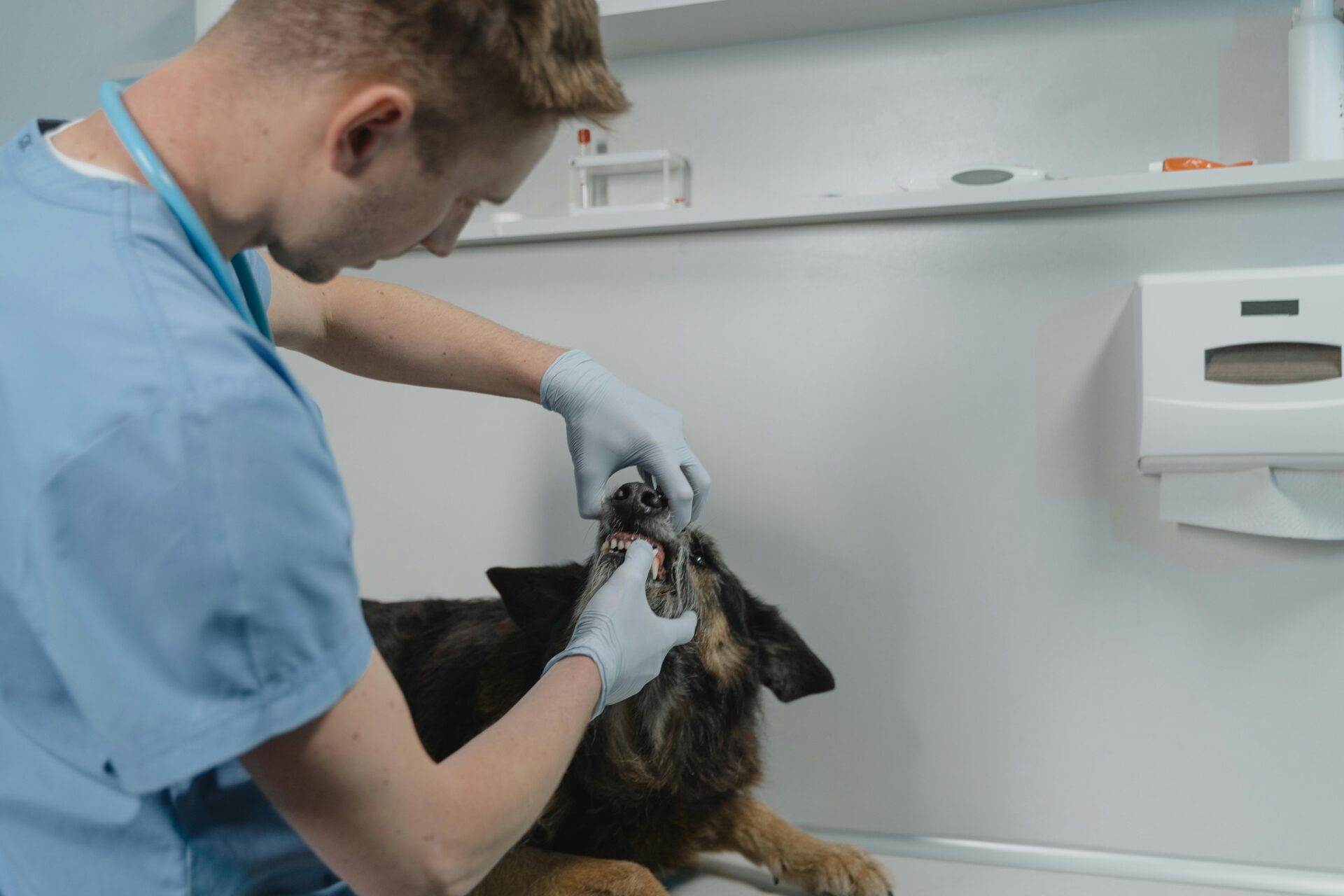
SIGNS YOUR DOG NEEDS DENTAL ATTENTION
Red Flags (Bring Your Dog In Soon)
- Bad Breath This is the #1 sign of dental disease. A healthy dog’s breath shouldn’t smell like rotten food or fish. Bad breath = tartar, gum disease, or bacterial infection. Call your vet or us for an assessment or your Dog Teeth Cleaning.
- Red or Swollen Gums Healthy gums are pink and tight against the teeth. If you notice red, inflamed, or bleeding gums, that’s early gum disease. This is preventable if caught early.
- Visible Tartar or Discoloration Brown or yellow buildup on the teeth is tartar (hardened plaque). Once tartar forms, only professional cleaning can remove it. Home brushing can’t undo it.
- Loose or Missing Teeth This suggests advanced gum disease. Don’t wait — get dental care immediately to prevent more tooth loss.
- Drooling More Than Usual Excessive drooling can indicate mouth pain, gum disease, or a fractured tooth. Worth investigating.
- Avoiding Hard Foods or Toys If your dog suddenly stops chewing toys or avoids hard food, they likely have tooth pain. Dogs don’t complain the way humans do — they just avoid the problem.
Face Swelling or Lumps Swelling on the jaw or face is serious. This suggests a dental abscess or infection. In this case you need expert Dog Teeth Cleaning services.
BROOKLYN PET SPA DENTAL CARE SERVICES
What We Offer During Regular Grooming
When you bring your dog in for grooming, we:
- Inspect teeth and gums — we’ll flag any concerns
- Offer gentle tooth brushing — light plaque removal
- Note signs of disease — we’ll recommend a vet visit if needed
- Provide brushing tips — personalized advice based on your dog’s breed and health
We’re Not Veterinarians
Professional dental cleaning requires a vet’s anesthesia and tools. We can help with prevention and early detection, but we’ll always refer you to your vet if we see disease.
Free Dental Health Assessment
Bring your dog in or call us for expert Dog Teeth Cleaning. We’ll do a quick visual check of their teeth and gums, and advise whether professional vet cleaning is needed. No charge.
BREED-SPECIFIC DENTAL CONCERNS
Toy Breeds (Chihuahua, Maltese, Shih Tzu)
Higher Risk: Yes. Toy breeds have crowded teeth in small mouths, which means more plaque accumulation and earlier disease.
What to do: Start brushing early, brush more frequently (4–5 times per week minimum), and plan on professional cleaning every 1–2 years.
Large & Giant Breeds (Lab, Golden, German Shepherd)
Lower Risk: Larger mouths mean less crowding. But they still need care.
What to do: Daily brushing is still ideal. Professional cleaning every 2–3 years if you brush.
Small Breeds (Poodle, Schnauzer, Terrier Mixes)
Higher Risk: Moderate. Still higher than large breeds.
What to do: Daily brushing is ideal. Professional cleaning every 2 years.
Brachycephalic Breeds (Pug, Bulldog, Boston Terrier)
Higher Risk: Yes. Crowded teeth + breathing issues = additional anesthesia risk.
What to do: Daily brushing is crucial. Discuss anesthesia risks with your vet before professional cleaning.
THE COST OF IGNORING DENTAL DISEASE
Brachycephalic Breeds (Pug, Bulldog, Boston Terrier)
Stage |
Home Care Cost |
Professional Vet Cost |
Treatment Needed |
|---|---|---|---|
|
Healthy Teeth |
$10/year (toothpaste) |
$0 |
Daily brushing only |
|
Early Tartar |
$10/year |
$300–$500 (cleaning) |
Cleaning + brushing |
|
Advanced Gum Disease |
$10/year |
$500–$1,200 (cleaning + extractions) |
Multiple extractions |
|
Tooth Loss + Infection |
$10/year |
$1,500–$3,000+ (surgery, antibiotics) |
Emergency care |
Bottom line: Spending $10/year on toothpaste and brushing is a lot cheaper than $1,500+ in emergency dental surgery.
TESTIMONIALS
EXCELLENTTrustindex verifies that the original source of the review is Google. I take my cat here to get his nails trimmed and they take walk-ins! They are very friendly and efficient and do a great job with my cat’s nails. Couldn’t recommend the enough.Posted on GoogleTrustindex verifies that the original source of the review is Google. Brooklyn Pet Spa Pet Grooming Brooklyn is friendly, clean, and super convenient. I had a slightly complicated schedule and they were able to accommodate me!! The staff are welcoming, and drop‑off is easy. My dog always looks great after dog grooming. Highly recommend.Posted on GoogleTrustindex verifies that the original source of the review is Google. I’ve been going to Brooklyn Pet Spa for about 5 years now and I value and appreciate this establishment dearly. I’ve never had not one issue with grooming when it came to my dog for the 5 years I’ve been going to Brooklyn Pet Spa. Any specific requests I made before dropping my dog was accommodated flawlessly. They really bring out the cuteness from my dog and I’ve been getting compliments since I got my dog due to how great he’s groomed. If you’re reading this book the appointment ESPECIALLY if you have a poodle. They will make your dog look like it belongs on a commercial! Thank you Sandro & the brooklyn pet spa team I’m so glad I found you guys!Posted on GoogleTrustindex verifies that the original source of the review is Google. I am thrilled to share that I recently became the madrinha de três afilhados in Brasil. Minhas duas menininhas: 12-year-old Ana and 5-year-old Hadassa. (I love using these affectionate Portuguese terms!). Of course, I can't forget my 14-year-old, Pedro, who wants to be a professional futebol player. Ana has dreams of becoming a veterinarian, while little Hadassa wants to drive a big truck, to help me with my volunteer work. I wanted to introduce them to the enchanting American holiday of Halloween, and involving my beloved fur babies made it even more special. To share this moment, I reached out to a spa employee, who kindly sent me a photo of my dog being groomed, reminding us of the importance of reliable pet grooming for our pets' well-being and happiness. My best friend has a toy poodle from the Champion line of show dogs, with pedigree parents in Denmark. Upon returning to the U.S., she sought out a Master Groomer but was disappointed after trying several different places in less than six months. Unfortunately, the constant changes caused her dog so much stress that it had colitis (bloody stools), according to her Vet. This experience taught her—and me—the importance of finding a reliable groomer. I've been using Brooklyn Pet Spa for three years, since my dogs were puppies. Sandro recommended using a #7 clip for my dogs, which is safe and breed-appropriate. I switched from #10 to #7, knowing it promotes coat health. The Miniature Schnauzer show dog at the AKC Meet the Breeds was also cut with a #7, confirming its suitability. Sandro's breed-specific grooming expertise ensures my dogs look their best and stay healthy, especially Naomi, who has occasionally skin irritation from environmental allergies. Proper grooming not only keeps them looking great but also helps maintain their health and comfort. The photos of my dogs, just one week after grooming, show how well the grooming was done—they look fabulous! Someone should call William Galharde because my fur babies are more than ready for their close-up!Posted on GoogleTrustindex verifies that the original source of the review is Google. Brooklyn Pet Spa Pet Grooming Brooklyn is the only place I feel comfortable taking my son aka little dog. The owner is awesome and makes me feel so comfortable. The groomers are really skilled and the whole dog grooming process is quick and convenient. My pet always comes home looking and feeling great.
Frequently Asked Questions (FAQs)
Ideally, daily. Realistically, 3–4 times per week minimum. Once a week is better than nothing, but much less effective.
Most people find it easiest to brush right before bedtime — make it part of the routine.
Start slow. Let them lick toothpaste off your finger first. Make it positive. After a few days of just tasting the toothpaste, introduce the brush (without toothpaste). Gradually build up.
If your dog is truly aggressive about it, talk to your vet about alternatives like dental chews or enzymatic products that help without brushing.
Modern anesthesia is very safe. Older dogs need pre-anesthesia bloodwork to make sure they’re healthy enough, but age alone isn’t a reason to skip dental cleaning. Discuss with your vet — they can assess your dog’s individual risk.
Enzymatic toothpastes are highly rated. Brands like Virbac C.E.T., Oxyfresh, and Petsmile are all good. Avoid human toothpaste (contains fluoride which can upset dog stomachs).
Ask your vet for a recommendation — many vets have preferred brands.
Yes. Advanced dental disease can spread bacteria to the heart (endocarditis), kidneys, and liver. This is serious and expensive to treat. Prevention is way better than treating the complications.
Ready to Prevent Expensive Dental Bills?
Start a brushing routine or book a free dental assessment. Our team can give you personalized tips based on your dog’s breed and current dental health.
- 4.6/5 on Google (550 reviews)
- Preventive care experts
- Serving Brooklyn since 2008
