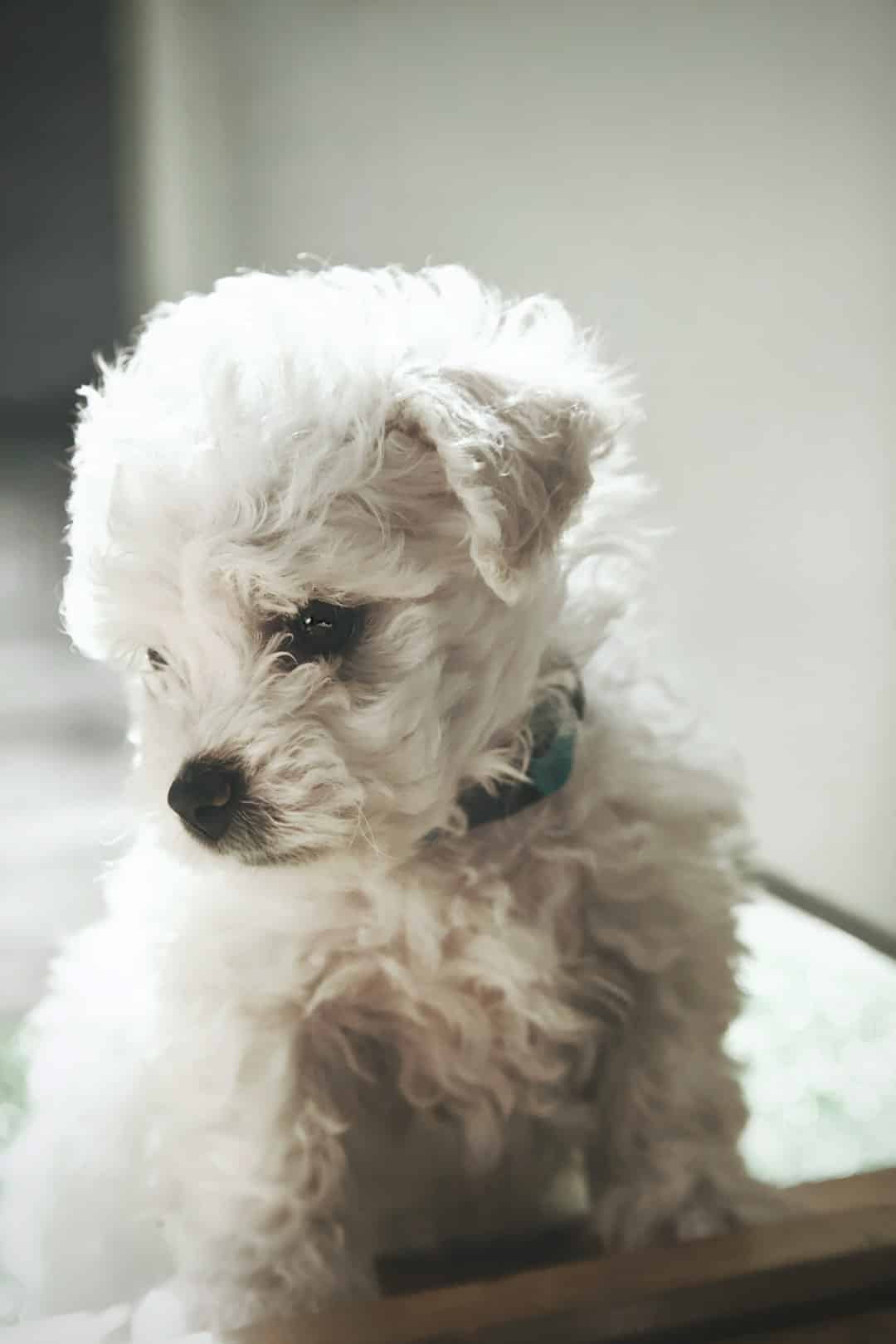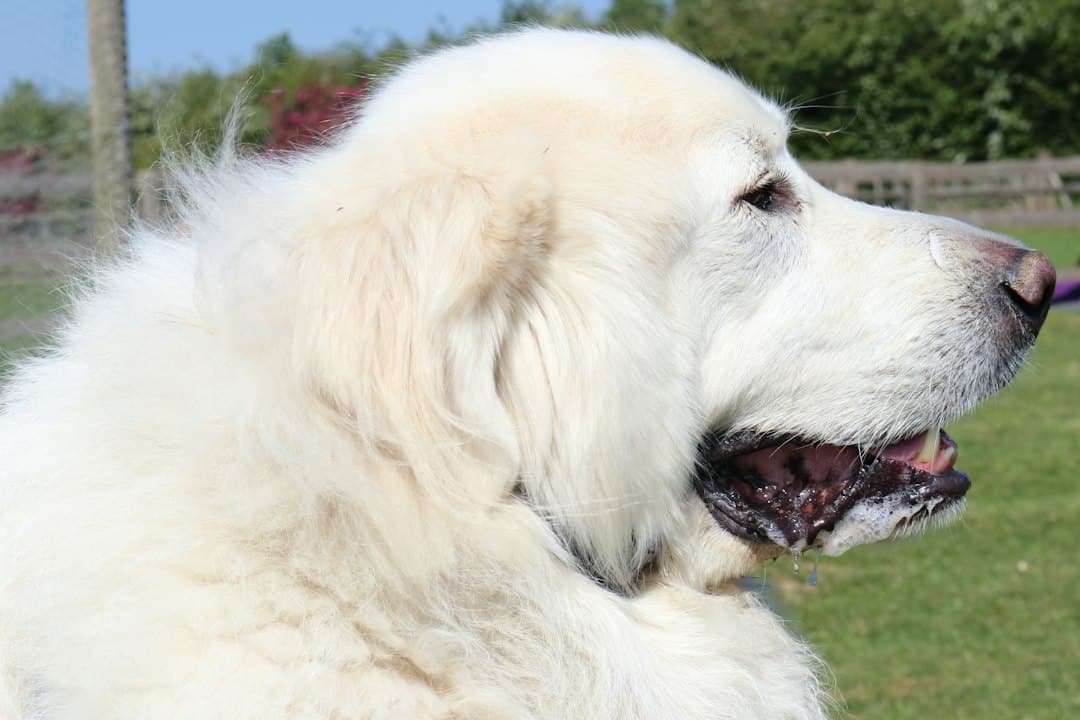
A Great Pyrenees is a big, calm, snow-white dog with a coat built for mountain winters. In a Brooklyn apartment, that coat becomes a very different kind of project. Fur ends up on the sofa, in the hallway, and somehow inside the elevator. At Brooklyn Pet Spa, a full Great Pyrenees groom starts at $103, and this guide explains what that coat needs, what it does not need, and how to keep it comfortable between visits.
Table of Contents
ToggleUnderstanding the Great Pyrenees Coat
The Great Pyrenees has two layers. The outer coat is made of long, coarse guard hairs that shed dirt and water. Under it sits a soft, dense undercoat that insulates the dog. The longest hair grows around the neck and shoulders (a natural “mane”), on the tail, and on the backs of the legs, where it forms feathering and thick “britches.”
That structure explains most grooming questions. The undercoat is where the loose fur collects, and the long areas behind the ears, under the legs, and around the hindquarters are where mats usually start. Our guide to why some dogs need more grooming than others covers the double-coat science in more detail.
Shedding and “Blowing Coat”
Great Pyrenees shed all year, and they also go through heavier seasonal releases, usually in spring and again in autumn. During these periods large clumps of undercoat loosen at once. Owners often describe it as the dog “blowing coat.”
Brushing helps, but a home brush rarely reaches the dense undercoat close to the skin. A professional deshedding treatment uses a bath, conditioner, high-velocity drying, and the right tools to lift out loose undercoat that would otherwise end up around your home. You can read how it works in our complete guide to dog deshedding, or see the deshedding treatment page.
How Often Should You Brush a Great Pyrenees?
For most Great Pyrenees, a thorough brushing two to three times a week is a good baseline. During a coat blow, daily sessions make a visible difference. Work in sections instead of skimming the top, because the surface of this coat can look smooth while the undercoat is already tangled.
- Use a slicker brush for the body and a wide-tooth comb to check that you have reached the skin.
- Pay extra attention to behind the ears, the armpits, the chest, the tail, and the back legs.
- Break up small tangles gently with your fingers before brushing through them.
- Never brush a completely dry, tangled coat hard, as it pulls on the skin and discourages the dog from cooperating.
If you are unsure which tools suit this coat, our groomer’s guide to pet brushes compares the options by coat type.
Why You Should Not Shave a Great Pyrenees
Shaving feels like an obvious answer to a big, hairy dog in summer, but it usually backfires on double-coated breeds. The coat helps regulate body temperature and protects the skin from sun. When it is shaved down, that protection is gone, and the coat can grow back uneven or patchy in texture.
A better approach is regular brushing, a professional deshedding bath, and keeping the dog in cool indoor spaces during hot weather. If a dog is badly matted, our groomers will talk through the safest option with you before doing anything. Mats close to the skin sometimes have to be clipped for comfort, and we will always explain why.
Bathing and Drying
A Great Pyrenees does not need frequent baths. Every four to eight weeks is common, depending on lifestyle, weather, and how much time the dog spends outdoors. Over-bathing can strip natural oils from the skin.
Drying matters as much as washing. The undercoat can hold moisture against the skin, so it must be dried thoroughly, down to the roots. At Brooklyn Pet Spa, every full groom includes shampoo and conditioning, a blow dry, nail clipping and filing, ear cleaning, and a dental inspection.
Dewclaws, Nails and Ears
Great Pyrenees commonly have double dewclaws on the rear legs. These extra claws do not wear down on pavement and can grow long or snag. Check them regularly, and ask your groomer to trim them with the rest of the nails. Our guide on how to trim dog nails walks through the basics.
The ears are covered in thick hair and can trap moisture. Look for redness, odor, or head shaking, and read why ear cleaning matters for what is normal and what needs a vet.
How Often Does a Great Pyrenees Need Professional Grooming?
Every six to eight weeks suits most dogs, and every four to six weeks during spring and autumn shedding seasons. If your dog goes to parks, bridges, or the beach often, shorter gaps keep the coat easier to manage. For general scheduling advice, see how often to take your dog to the groomer.
Great Pyrenees Grooming Cost in Brooklyn
These are Brooklyn Pet Spa starting prices from our breed rate chart. Final pricing depends on your dog’s size, coat condition, matting, and temperament, and service tax applies.
| Service | Starting price |
|---|---|
| Grooming haircut + bath package | $103+ |
| Groomer’s bath | $78+ |
| Wash N Go | $63+ |
Popular add-ons for this coat include a Sheddless treatment ($30-$50), a Protein & Omega Shedding Remedy ($20-$25), and a deep conditioner ($22-$50). Please note that appointments typically take 2 to 4 hours, even if online booking shows a shorter slot.
At-Home Great Pyrenees Grooming Checklist
- Brush two to three times a week, daily during shedding season.
- Check behind the ears, under the legs, and around the tail for tangles.
- Look at the rear dewclaws and trim or book a nail trim when they grow long.
- Wipe around the mouth and beard area after meals and drinking.
- Dry fully after rain, swimming, or any bath.
- Book a professional groom every six to eight weeks, sooner in shedding season.
Frequently Asked Questions
Do Great Pyrenees shed a lot?
Yes. They shed year-round and have heavier shedding periods in spring and autumn. Regular brushing and professional deshedding keep it manageable.
Can you shave a Great Pyrenees in summer?
It is generally not recommended. The double coat insulates against heat and protects the skin, so shaving can cause more problems than it solves.
How often should a Great Pyrenees be bathed?
Every four to eight weeks is typical. Bathe more often only if the dog is dirty or has a skin condition your vet has advised treating.
How much does Great Pyrenees grooming cost in Brooklyn?
At Brooklyn Pet Spa, a full groom starts at $103, a groomer’s bath at $78, and a Wash N Go at $63. Large or matted coats may cost more.
Do Great Pyrenees mat easily?
They can, especially behind the ears, in the feathering on the legs, and in the britches. Weekly brushing to the skin prevents most mats.
Is Brooklyn Pet Spa cage-free?
Yes. We have been a cage-free grooming spa in Brooklyn since 2008, so large dogs stay comfortable and relaxed during their visit.
Ready to get your Great Pyrenees looking and feeling lighter? Book a grooming appointment or learn more about our grooming services in Brooklyn.