
Brooklyn Pet Spa: The Pet Pampering Hub Williamsburg Deserves
Williamsburg, Brooklyn. Just the name conjures images of cobblestone streets, industrial-chic buildings turned lofts, and vibrant street art lining the walls of hip coffee shops and galleries. A neighborhood that’s effortlessly cool, Williamsburg is home to creatives, families, young professionals—and a whole lot of pets. This is a place where four-legged companions are more than welcome; they’re part of the culture. And now, with cat & dog grooming Williamsburg brooklyn that locals trust just around the corner at Brooklyn Pet Spa, pets can be pampered just as much as their human counterparts.
Williamsburg: Where Old-School Charm Meets Urban Cool
Located along the East River, Williamsburg boasts a history as rich as its food scene. Once an industrial powerhouse in the 19th and early 20th centuries, this area was filled with factories, warehouses, and shipyards. Over the decades, as industry declined, artists began moving into the neighborhood, drawn by its spacious lofts and affordable rent. Fast-forward to today, and Williamsburg is one of Brooklyn’s most sought-after neighborhoods, brimming with rooftop bars, artisanal bakeries, and boutique shops.
A Neighborhood That’s Gone to the Dogs (In a Good Way)
Williamsburg isn’t just a trendy hotspot for humans—it’s a paradise for pets. Whether you’re a dog person, a cat lover, or even a guinea pig enthusiast, this neighborhood has something for everyone, including top-notch cat & dog grooming Williamsburg brooklyn that locals rely on.
- McCarren Park: This iconic green space is a favorite among Williamsburg residents, and the dog run here is always buzzing with activity. It’s the perfect spot for morning playdates or evening strolls.
- East River State Park: With sweeping views of Manhattan, this waterfront park is a picturesque place for a walk with your pup. It’s also a great location for meetups with fellow pet lovers.
- Pet-Friendly Cafés: Williamsburg’s café culture embraces pets, with many spots offering outdoor seating, water bowls, and even treats for furry patrons.
- Community Events: From pet adoption fairs to costume parades, Williamsburg hosts events that celebrate its love for animals.
In short, Williamsburg is a neighborhood that truly understands that pets are family. And for those looking to take their pet care to the next level, cat & dog grooming Williamsburg brooklyn style is just a visit away at Brooklyn Pet Spa.
Why Brooklyn Pet Spa Fits Perfectly in Williamsburg
If Williamsburg had a pet grooming scene as hip as its vibe, Brooklyn Pet Spa would be the poster child of pet grooming Williamsburg has to offer. Just like the neighborhood itself, Brooklyn Pet Spa is all about quality, creativity, and community. It’s not just a place to get your pet groomed—it’s a boutique experience that leaves tails wagging and owners smiling.
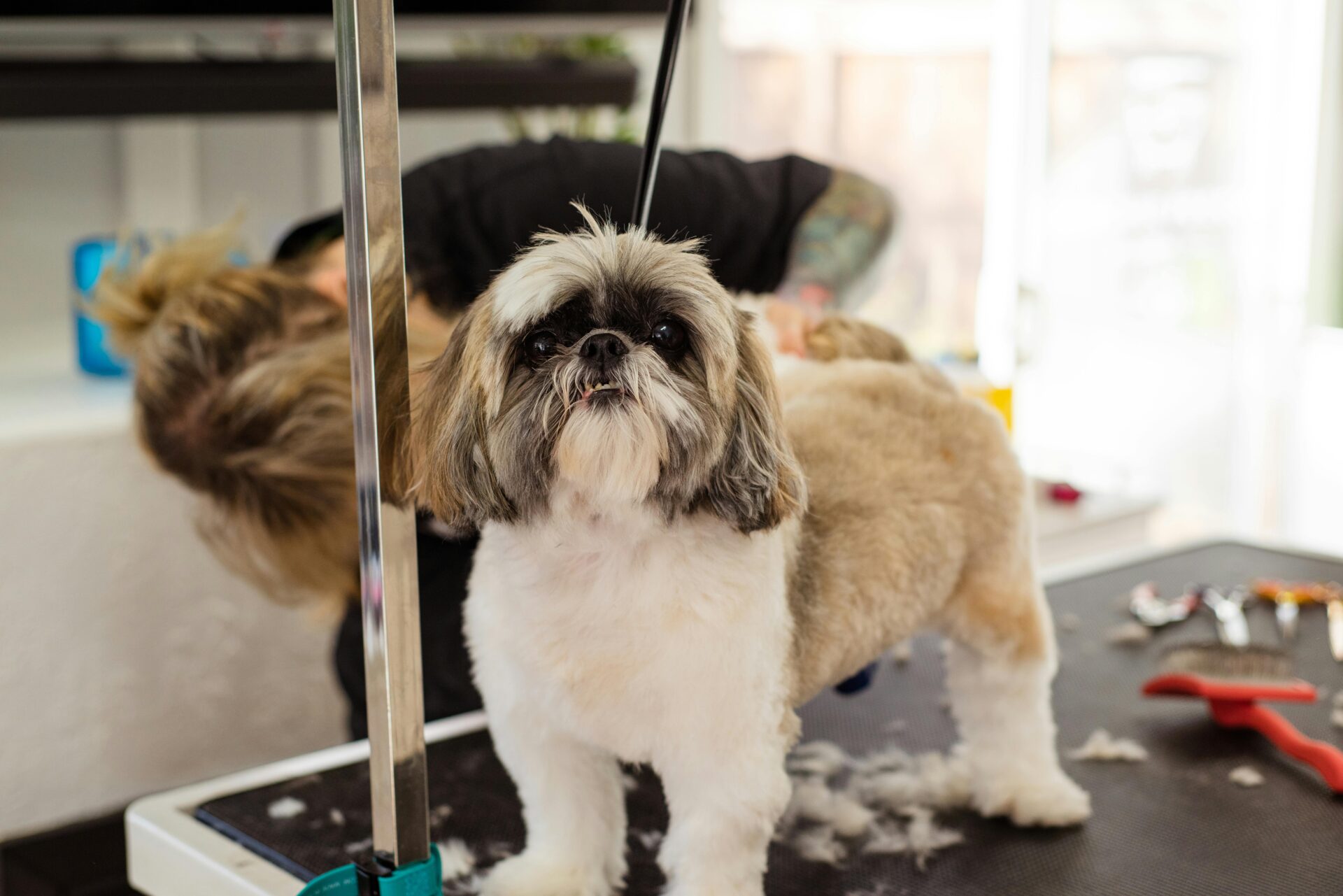
What Sets Brooklyn Pet Spa Apart?
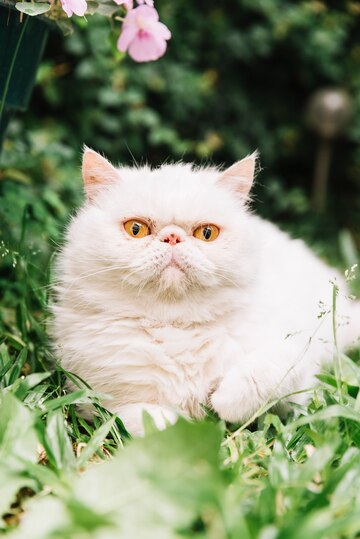
- Tailored Services for Every Pet: Brooklyn Pet Spa knows that every pet is unique. That’s why their services are designed to meet your pet’s individual needs. Whether your dog needs a quick cleanup or a full-on spa day, they’ve got you covered. And for those stylish cats of Williamsburg? They’re welcome too.
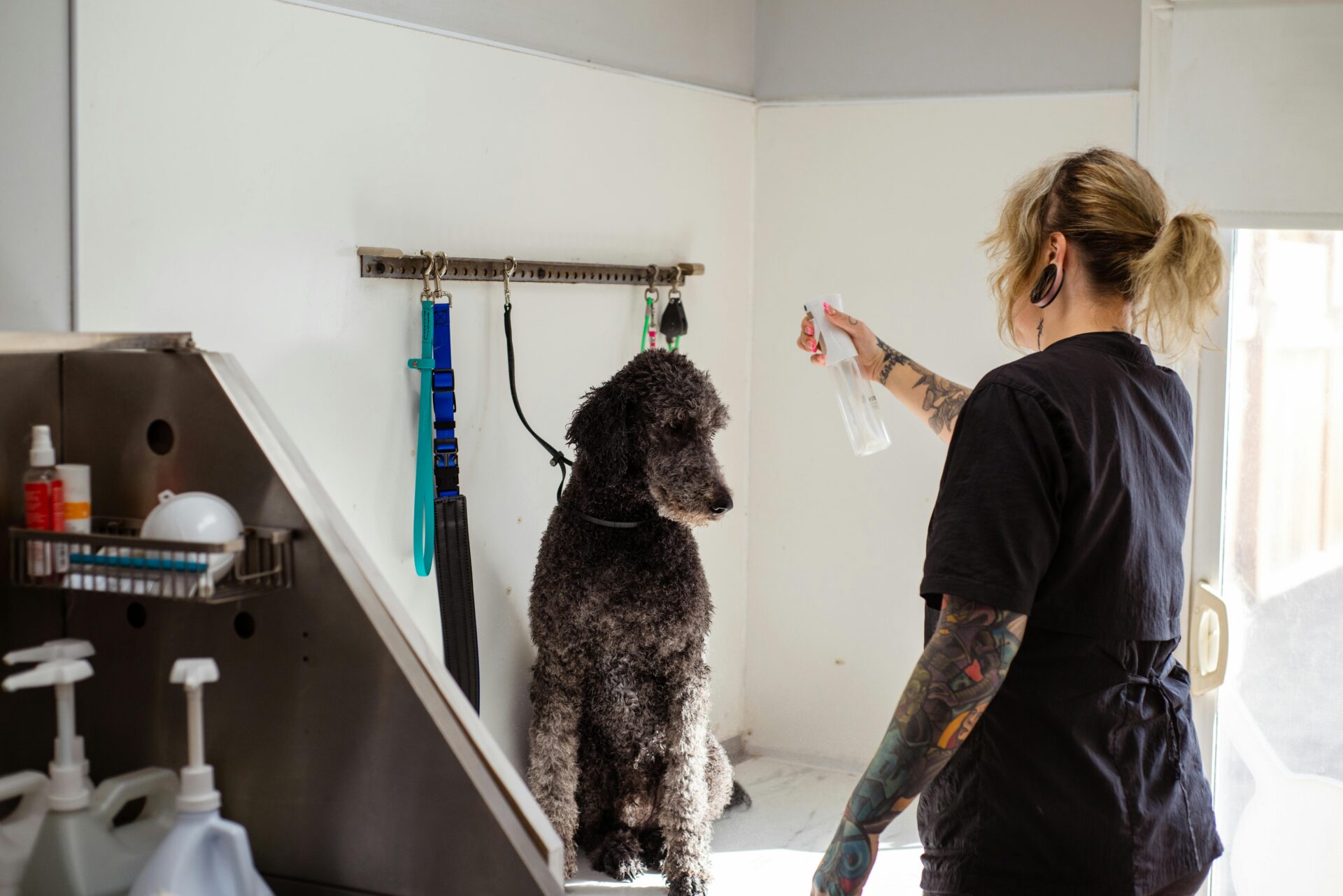
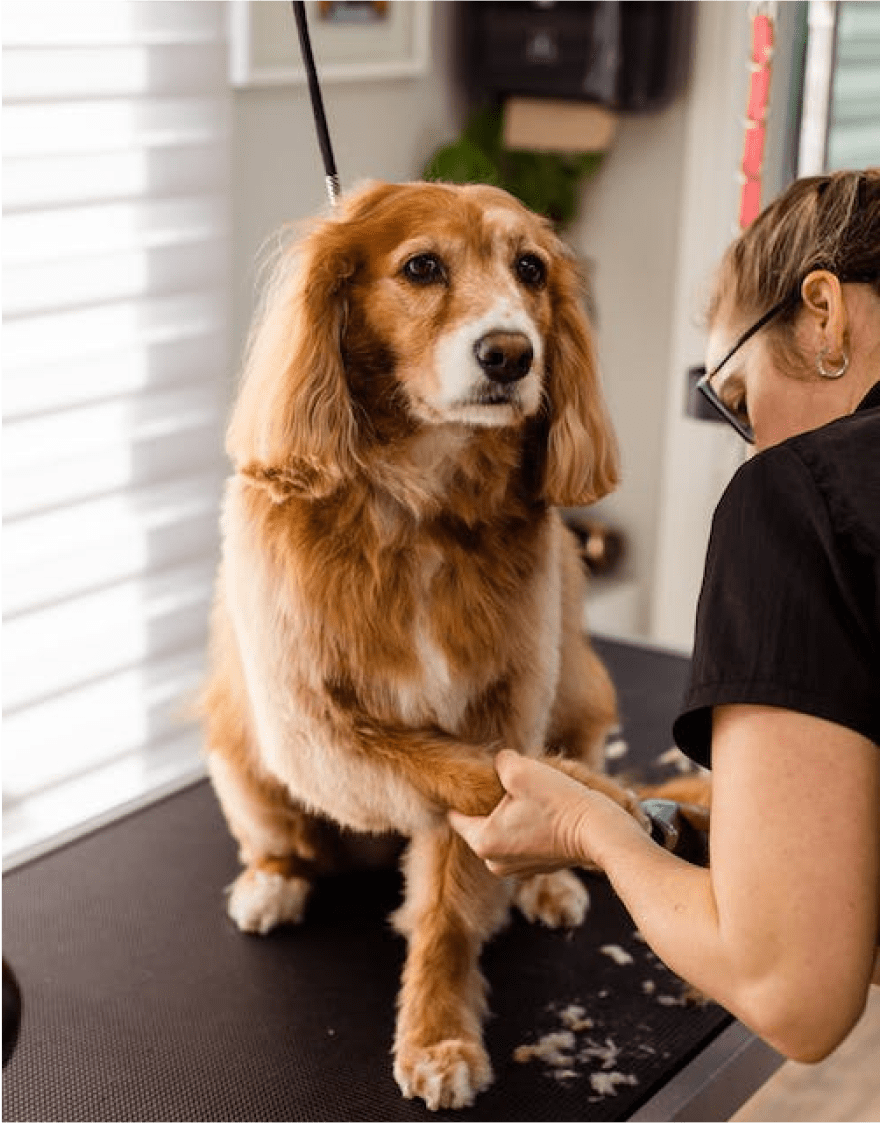
- Experienced and Compassionate Groomers: The team at Brooklyn Pet Spa is a group of animal lovers first and foremost. They’re not just highly skilled; they’re also patient and caring, making sure that even the most nervous pets feel comfortable.
- Premium, Pet-Safe Products: Pets deserve the best, and Brooklyn Pet Spa delivers. From hypoallergenic shampoos to soothing conditioners, every product they use is designed to keep your pet’s coat shiny, soft, and healthy.
- Stress-Free Environment: Grooming doesn’t have to be scary. At Brooklyn Pet Spa, the atmosphere is calm and inviting, ensuring that your pet has a positive experience from start to finish.
Pet Grooming Williamsburg : Services Designed for Your Pets
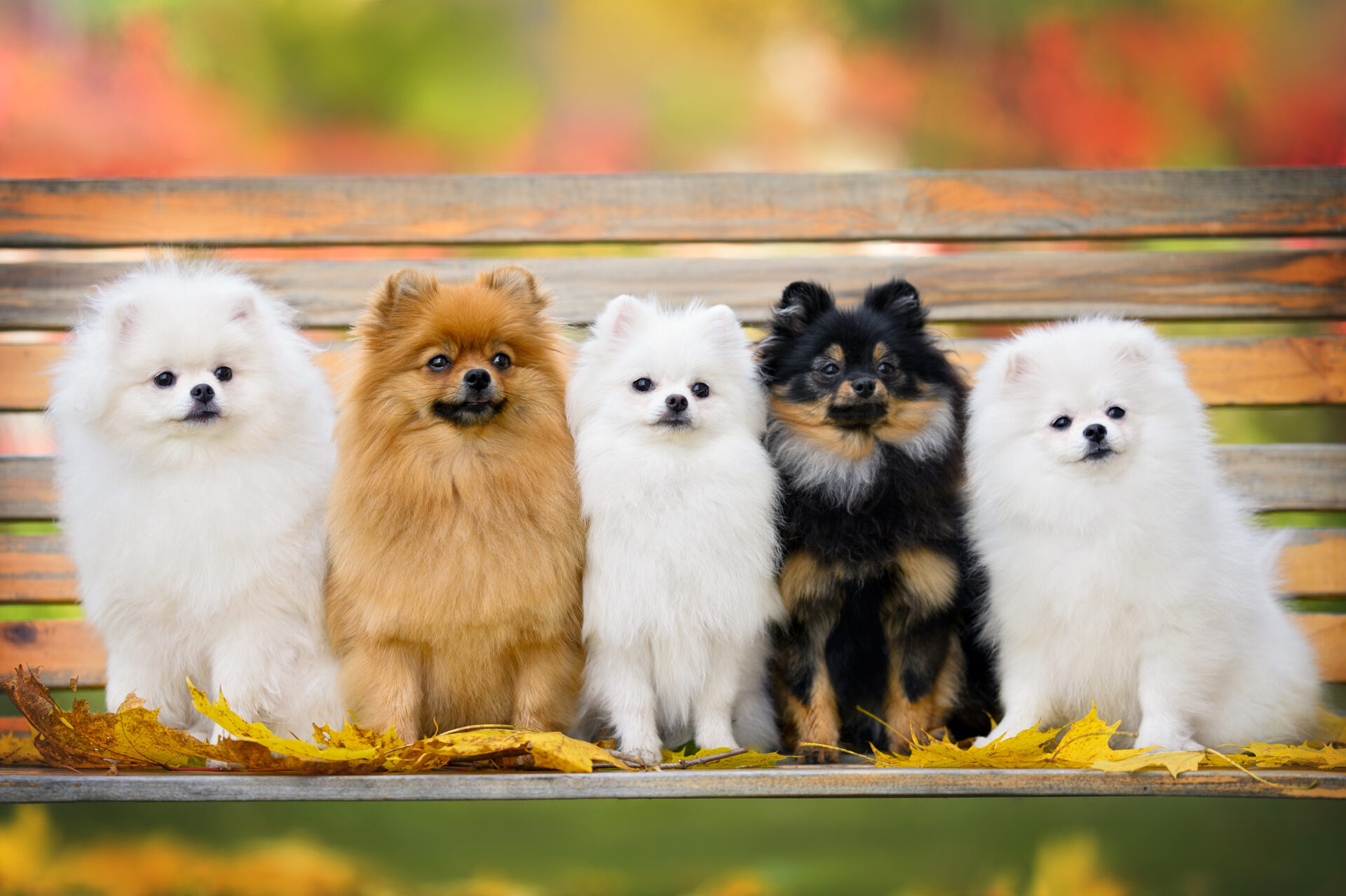
Brooklyn Pet Spa offers a wide range of services to cater to the diverse needs of Williamsburg’s pet population. Whether you have a pampered Pomeranian or an adventurous rescue, there’s something here for everyone.
1. Professional Grooming
Your pet deserves to look as chic as the streets of Williamsburg. Brooklyn Pet Spa’s grooming services include:
- Breed-Specific Haircuts: Highlight your pet’s natural beauty with a cut tailored to their breed.
- Stylish Trims: Perfect for pets who want to stand out in the crowd.
- De-Shedding Treatments: A lifesaver during shedding season.
2. Luxurious Baths
Bath time at Brooklyn Pet Spa is nothing short of indulgent. They offer:
- Customized Shampoos and Conditioners: Formulated for your pet’s specific coat and skin type.
- Aromatherapy Baths: Calm and rejuvenate your pet with soothing scents.
- Paw and Ear Care: Keep every inch of your pet clean and healthy.
3. Nail Care
Williamsburg pets are always on the go, and their paws need some TLC. Brooklyn Pet Spa provides:
- Nail Trimming and Buffing: For healthy, pain-free paws.
- Paw Pad Treatments: Keeping your pet’s feet soft and moisturized.
4. Doggy Daycare
Life in Williamsburg is busy, and sometimes you need a helping hand. Brooklyn Pet Spa’s daycare offers:
- Safe Socialization: Let your dog make new friends in a supervised environment.
- Engaging Activities: Ensure your pup stays active and entertained.
5. Boarding Services
Going out of town? Brooklyn Pet Spa provides a home-away-from-home experience, complete with cozy accommodations and plenty of love.
Community and Connection
Brooklyn Pet Spa isn’t just a grooming salon—it’s a community hub. Williamsburg thrives on connection, and Brooklyn Pet Spa embraces that spirit by actively participating in local events, collaborating with shelters, and supporting pet adoption initiatives. They’re not just a business; they’re a part of the Williamsburg family.
Why Williamsburg Pets Deserve Brooklyn Pet Spa
Living in Williamsburg is all about embracing a lifestyle that’s vibrant, creative, and full of character. Shouldn’t your pet get the same treatment? Brooklyn Pet Spa ensures that every grooming session is an experience, blending professionalism with a personal touch. It’s not just about looking good—it’s about feeling good, too.
Discover Brooklyn Pet Spa Today
Ready to give your pet the VIP treatment they deserve? Brooklyn Pet Spa is here to make it happen. Whether it’s a quick groom or an all-day pampering session, they’ll leave your furry friend looking fabulous and feeling even better.
Stop by, say hello, and let Brooklyn Pet Spa show you why they’re the best cat & dog grooming williamsburg brooklyn has to offer. Because in Williamsburg, pets are family—and family deserves the very best.
