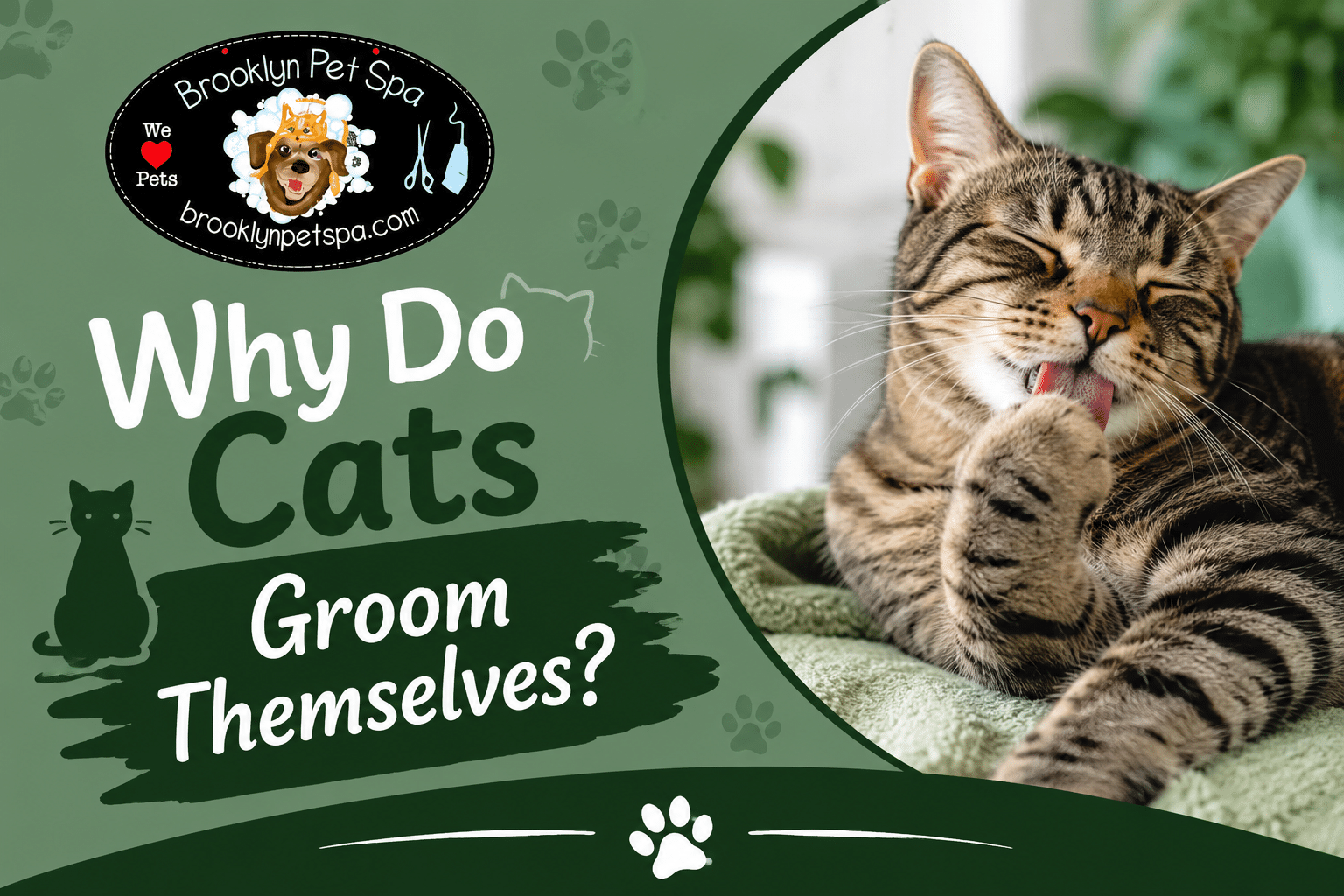
If you’ve ever watched your cat spend what feels like half the day licking their fur, you’ve probably wondered why do cats groom themselves so much. Is it just habit? Are they showing off? Or is something deeper going on? Turns out, self-grooming is one of the most fascinating and important behaviors in the feline world, and once you understand it, you’ll never look at your cat’s bath routine the same way again.
Table of Contents
ToggleIt’s Instinctual, Not Just a Habit
Cats have been grooming themselves for thousands of years, long before they ever curled up on our couches. In the wild, a clean coat meant survival — it helped cats stay scent-free from predators, regulate body temperature, and keep their fur in top condition for hunting. So when people ask why do cats groom themselves, the simple answer is: it’s baked into their DNA. Domestic cats today still carry that same instinct, even if the most dangerous thing in their life is an empty food bowl.
The Real Reasons Behind the Behavior
1. Keeping the Coat Clean and Healthy
The most obvious reason why do cats groom themselves is basic hygiene. Their tongues are covered in tiny, backward-facing barbs called papillae, which act like a built-in brush. This helps remove dirt, loose fur, and debris while distributing natural oils that keep their coat shiny and waterproof.
2. Temperature Regulation
Cats can’t sweat the way humans do, so grooming actually helps them cool down. When saliva evaporates off their fur, it creates a cooling effect — kind of like a built-in air conditioning system. On hot days, you might notice your cat grooming more frequently for exactly this reason.
3. Stress Relief
Ever notice your cat grooming right after something startling happens, like a loud noise or an awkward jump gone wrong? This is called displacement grooming, and it’s a totally normal way cats self-soothe. Grooming releases endorphins, which helps calm their nervous system, similar to how humans might take a deep breath or fidget when stressed.
4. Scent Control
In the wild, staying scent-free was a survival tactic to avoid alerting predators or prey. Domestic cats still groom to manage their scent, especially after eating, using the litter box, or being handled by humans (yes, that includes after you pet them).
5. Bonding and Social Behavior
Cats don’t just groom themselves — they groom each other too, a behavior known as allogrooming. This social grooming strengthens bonds between cats who live together and is often a sign of trust and affection. If your cat headbutts you and then starts licking your hand, congratulations — that’s their version of a hug.
6. Skin and Coat Maintenance
Regular grooming helps prevent matting, removes loose hair before it can be ingested in large amounts, and stimulates blood flow to the skin. It’s essentially your cat’s built-in wellness routine, working around the clock.
When Grooming Becomes a Problem
While understanding why do cats groom themselves helps explain normal behavior, it’s important to recognize when grooming crosses into unhealthy territory. Overgrooming — where a cat licks so much they develop bald patches, skin irritation, or sores — can be a sign of stress, allergies, pain, or an underlying medical condition. If you notice excessive grooming, thinning fur, or skin redness, it’s worth a trip to the vet to rule out anything serious.
On the flip side, if your cat suddenly stops grooming altogether, that can also be a red flag. A messy, unkempt coat is often one of the first signs that a cat isn’t feeling well, since grooming typically takes a back seat when they’re in pain or dealing with illness.
How You Can Support Your Cat’s Grooming Routine
Even though grooming is natural, cats still benefit from a little help now and then:
- Brush regularly, especially for long-haired breeds prone to mats and hairballs
- Trim nails to prevent scratches during grooming sessions
- Watch for hairballs, which can increase if grooming habits change or shedding picks up seasonally
- Schedule occasional professional grooming, especially for cats who struggle to reach certain areas or have thick, dense coats
If you’re in the area and looking for extra support, Brooklyn Pet Spa offers gentle, cat-friendly grooming services designed to complement your cat’s natural routine rather than replace it. For anyone searching for reliable cat grooming brooklyn has to offer, a professional groom can help with mats, excess shedding, and hard-to-reach spots your cat can’t quite manage alone.
Frequently Asked Questions
Why do cats groom themselves so much?
It’s a mix of instinct and practical need: grooming keeps the coat clean, distributes natural oils, helps regulate body temperature through saliva evaporation, and has been part of feline survival behavior for thousands of years.
What does it mean when my cat grooms right after being startled?
This is called displacement grooming, a normal self-soothing behavior. Grooming releases endorphins that help calm a cat’s nervous system after something surprising or stressful happens.
How can I tell if my cat is overgrooming?
Watch for bald patches, red or irritated skin, or sores from excessive licking. Overgrooming can signal stress, allergies, pain, or an underlying medical condition, so it’s worth a vet visit if you notice these signs.
Why do cats groom each other?
This is called allogrooming, and it’s a social bonding behavior between cats who trust each other. If your cat licks your hand after a headbutt, it’s their way of showing affection toward you too.
Final Thoughts
So, why do cats groom themselves? It comes down to a mix of hygiene, temperature control, stress relief, scent management, and social bonding — all wrapped up in one instinctual behavior. Most of the time, it’s completely normal and even a little soothing to watch. But paying attention to changes in grooming habits can also give you an early heads-up if something’s off with your cat’s health. Either way, that adorable, meticulous self-care routine is just one more reason cats are such fascinating companions.
Noticing unusual grooming habits in your cat, or just want to give them a little extra pampering? A professional groomer can help keep your cat’s coat healthy while giving you peace of mind.