Table of Contents
ToggleHelp Your Pet Breeze Through Spring Shedding Season
Spring means one big thing for Brooklyn cats and dogs: loose hair everywhere. As days get longer, winter coats start to drop, and that fluffy undercoat ends up on your clothes, your couch, and sometimes even in your coffee. Shedding is normal, but it can feel like a lot when you live in an apartment and share a small space with a furry friend.
Warmer afternoons, cool evenings, indoor heat, and those quick weather changes can all trigger heavier shedding and drier skin. Many pet parents deal with extra vacuuming, matted fur, and itchy pets that seem uncomfortable. Our goal is to help you understand what is normal, what is not, and what simple habits can keep shedding under control so your home feels cleaner and your pet feels better.
Why Brooklyn Pets Shed More in Spring
Most cats and dogs follow a natural coat cycle. When days are shorter in fall, their bodies prepare for colder weather by growing a thicker coat, sometimes with a dense undercoat for warmth. As spring brings longer daylight, that extra coat loosens and starts to shed so a lighter, cooler coat can come in.
In Brooklyn, this cycle is often amplified by city living. Apartment pets deal with:
- Hot radiators or heaters drying out their skin
- Drafty windows and doors that cause temperatures to change quickly
- Humid days followed by chilly nights in early spring
All of that can confuse their coat and skin, leading to more noticeable shedding.
Some pets are simply heavier shedders. You may see more fur from:
- Double-coated dogs like many herding and working types
- Long-haired or medium-haired cats
- Mixed breeds with thick, plush coats
Short-haired pets shed too; their hair just tends to be smaller and stick more to fabrics. Even breeds called “hypoallergenic” still shed some hair and release dander. They might not leave clumps on your rug, but they still benefit a lot from regular grooming to keep skin and coat healthy.
Daily Home Habits to Control Fur Before It Spreads
You do not need hours every day to stay ahead of shedding. A small, steady routine makes a big difference, even with a busy city schedule.
A simple brushing plan could look like this:
- Short coats: 5 minutes every other day with a rubber curry brush
- Medium coats: 5 to 10 minutes daily with a slicker brush
- Long or thick coats: 10 minutes daily with a slicker brush plus a comb to check for tangles
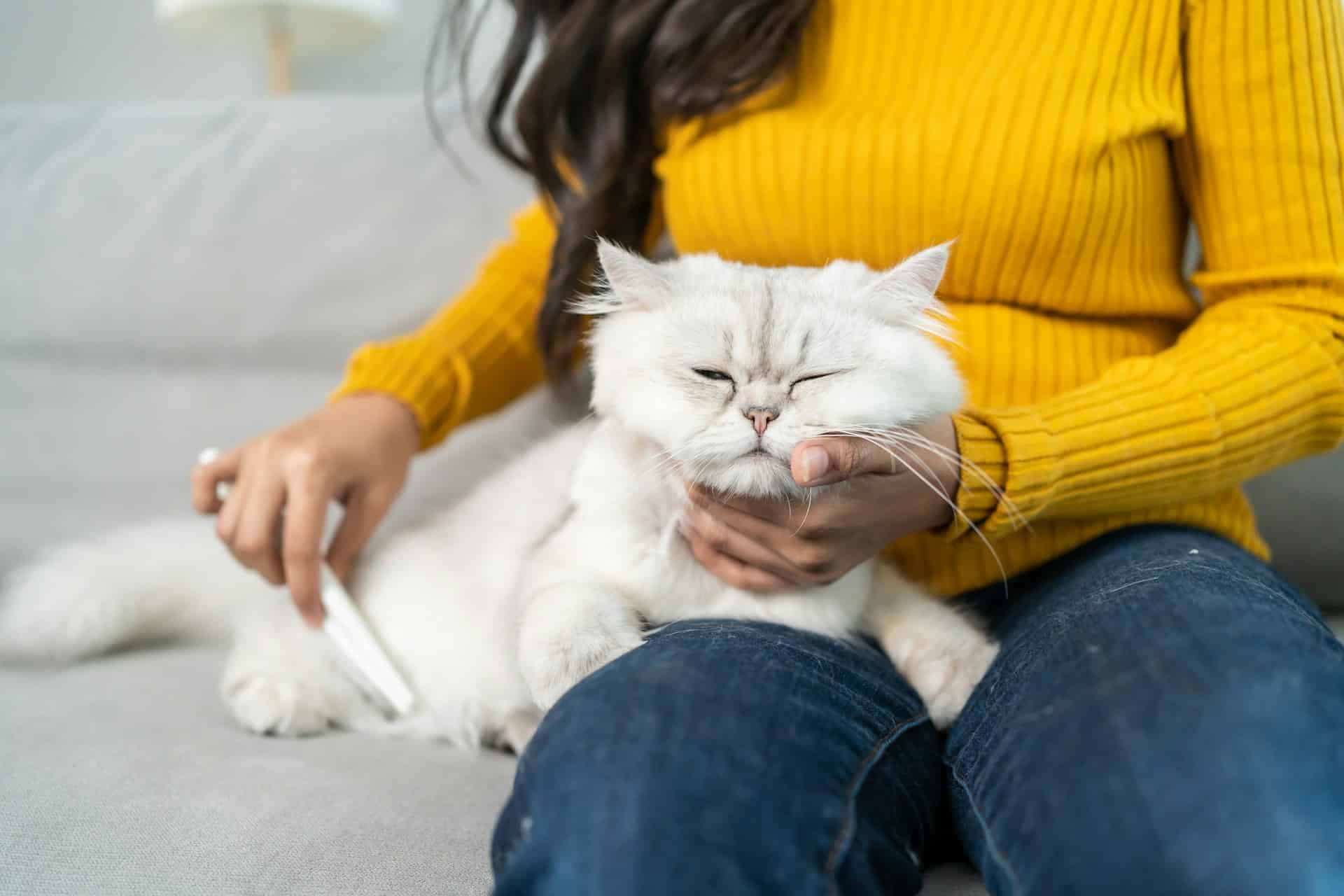
Set up a “grooming spot” at home, maybe a corner of the living room or a bathroom mat, and keep brushes there so it becomes part of your routine. Many pets relax with short, calm sessions instead of one long brushing they might resist.
To keep fur from taking over your apartment, try:
- Washable throws or blankets on the couch and bed
- A lint roller or pet hair remover by the front door
- Regular washing of pet beds, blankets, and favorite spots
- Vacuuming high-traffic areas a bit more often during peak shedding
Gentle at-home care helps too. Use pet-safe wipes to freshen coats between baths, especially around paws, bellies, and rear ends. Check daily for early matting behind ears, under collars or harnesses, and in the armpit area. Keep nails trimmed so when your pet scratches an itch, they are less likely to break the skin.
How Professional Grooming Makes Spring Shedding Easier
Consistent professional pet grooming in Brooklyn, NY can turn shedding season from stressful to manageable. A grooming visit is more than just a bath and a quick brush. It gives your pet a deep clean that is hard to match at home.
Spring-focused grooming often includes:
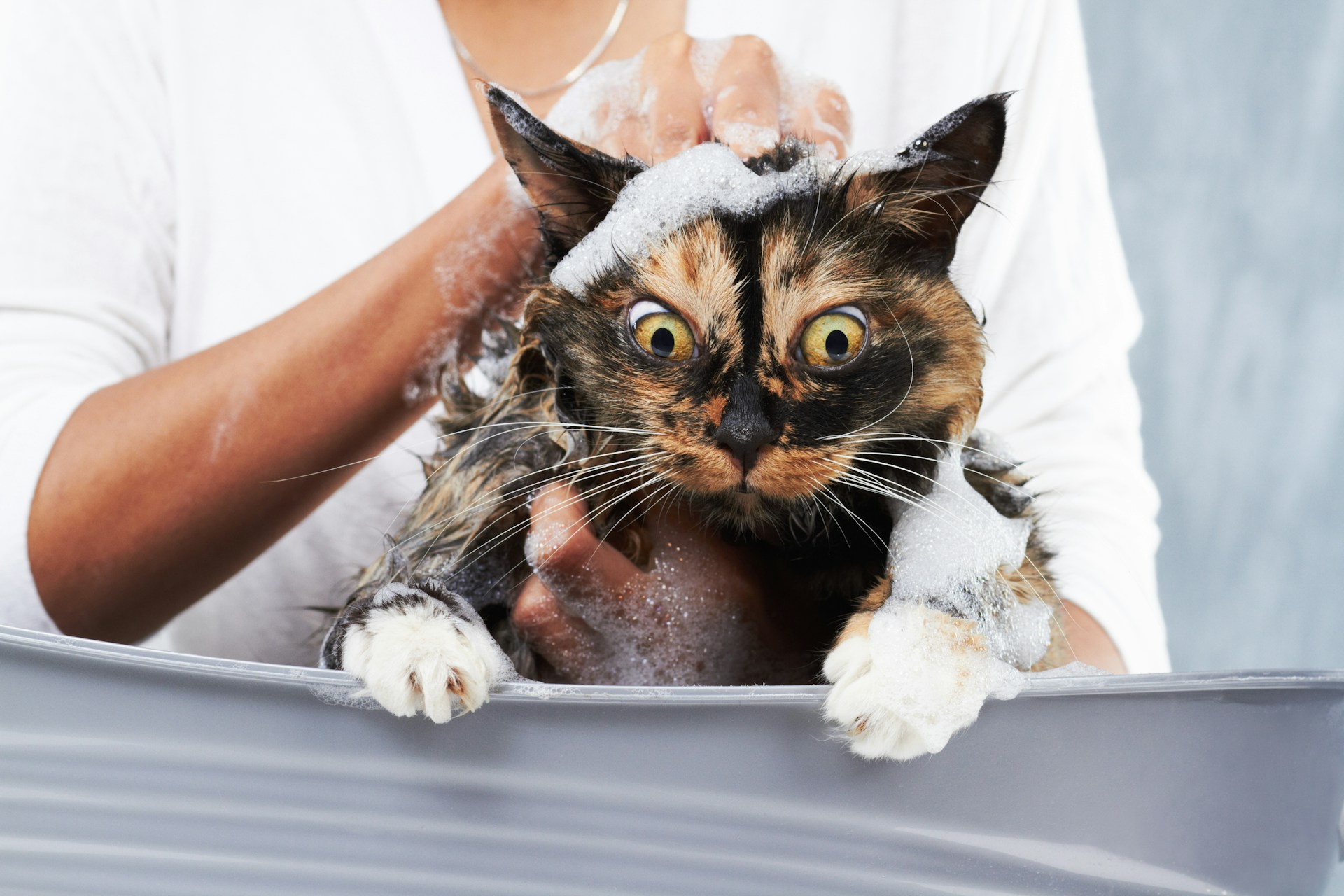
- Deshedding baths with coat-appropriate shampoos and conditioners
- Careful blow-drying that loosens and lifts dead hair out of the coat
- Undercoat removal using tools that reach down without hurting the skin
- Trimming of feathering and long areas that trap dirt and mats
All that loose hair comes out in the salon instead of on your furniture. Regular grooming also supports better skin circulation and lets a trained eye look through the coat. This makes it easier to spot things like:
- Early mats, especially in friction areas
- Dry or irritated patches of skin
- Fleas, ticks, or other parasites hidden in thick fur
- Lumps, bumps, or hotspots that might need a vet’s attention
How often you should book grooming in spring depends on your pet. Active dogs that run around Prospect Park or spend time at daycare usually do better with more frequent baths and deshedding, since dirt and pollen collect in their coat. Mostly indoor cats and dogs may need fewer visits, but staying on a schedule helps keep shedding from building up to the point where brushing at home feels impossible.
Seasonal Services That Support Spring Coats
During heavier shedding times, it helps to focus on services that clear out old coat and keep your pet comfortable. Many pets benefit from:
- Deshedding baths and blowouts to remove loose undercoat
- Tidy-up trims around paws, face, and sanitary areas
- Paw trims to prevent slipping on floors and catching fur between pads
- Ear cleaning to help reduce wax and debris
- Teeth brushing to support fresh breath and oral health
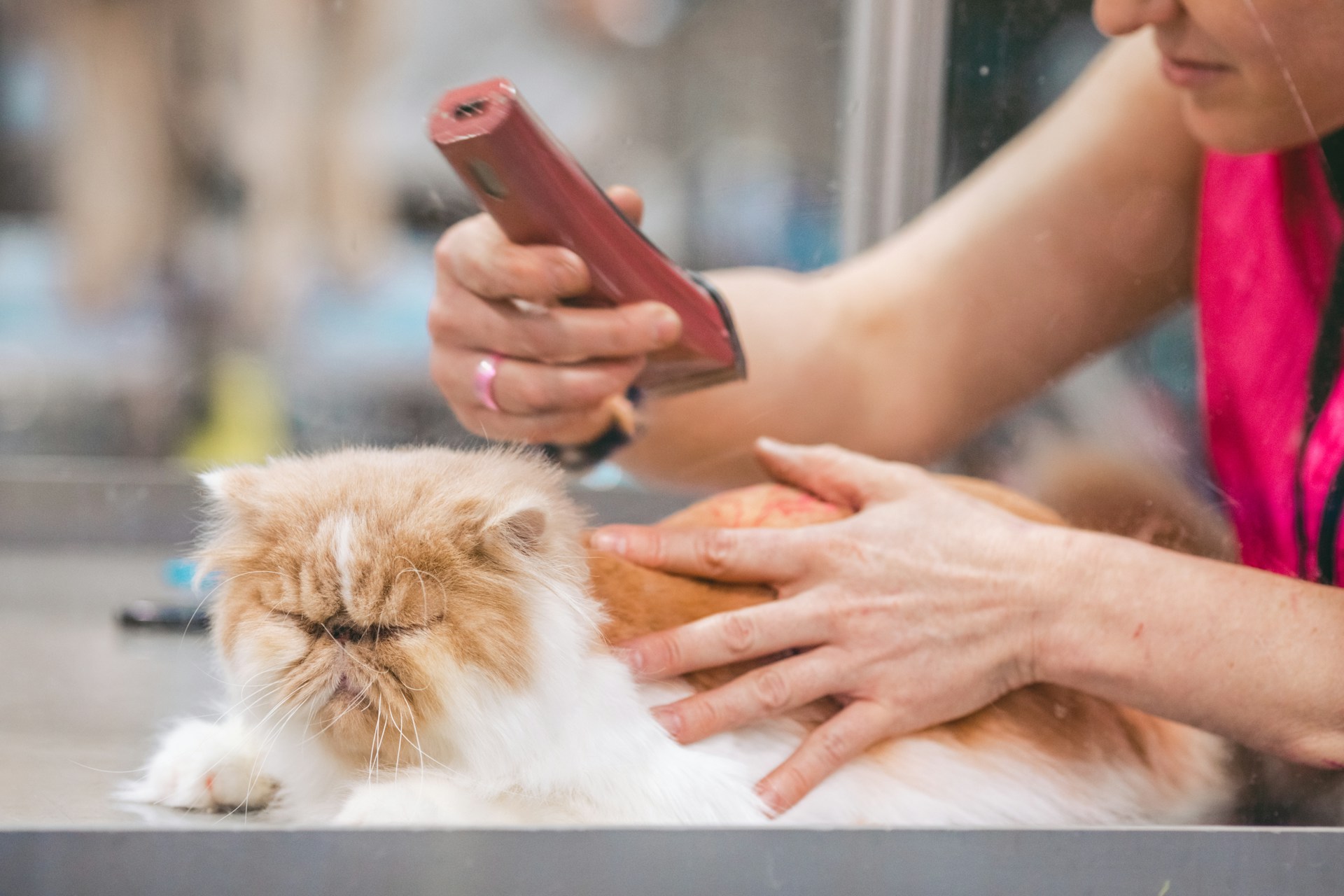
Cats often need a softer, slower approach, especially if they are nervous or not used to being handled by anyone but family. Gentle, cat-focused grooming can reduce shedding, prevent painful mats, and save them from having to lick and swallow so much loose hair.
If your pet spends time in daycare or boarding, that can be a perfect chance to schedule grooming during the stay. They can play, nap, and then go home clean, brushed out, and shedding less.
At check-in, it helps to share:
- Any known skin sensitivities or allergies
- Specific shedding problems you are seeing at home
- Your pet’s brushing history and how they usually respond
- Areas you want the groomer to pay extra attention to, like behind ears or tail area
This information helps create a visit that fits your pet’s needs and supports their coat through the shedding season.
When Shedding Signals a Bigger Health Issue
Not all shedding is normal seasonal shedding. Sometimes it points to a health concern that needs a vet’s care. Red flags to watch for include:
- Sudden bald patches or thinning areas
- Red, inflamed, or very hot skin
- Constant scratching, biting, or licking
- Strong, foul odor from the skin or ears
- Heavy dandruff or greasy, flaky skin
- A drastic change in how much or how little your pet sheds
City pets also deal with stress and allergies. Pollen, dust, cleaning products, and pollution can all bother sensitive skin. Stress from noise, changes in the home, or new pets can also cause extra shedding or hair loss.
Normal seasonal shedding usually happens all over the body in a fairly even way. Allergy or stress-related hair loss often shows up in patches or in specific areas your pet keeps licking or chewing.
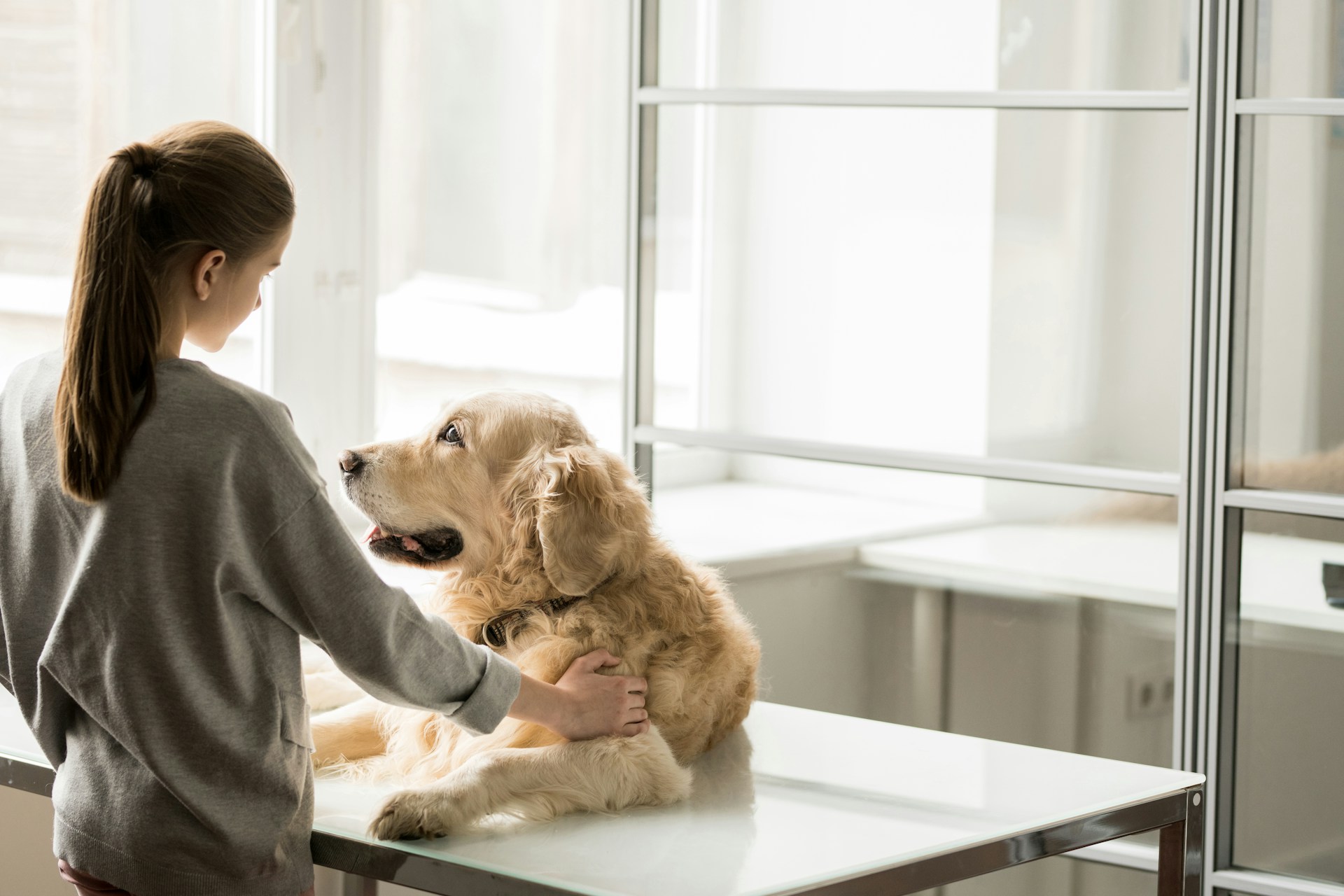
Groomers who see your cat or dog regularly get used to what their coat and skin usually look like. When something seems off, they can point it out and suggest you talk with a veterinarian. That teamwork helps catch potential problems earlier, which is better for your pet’s comfort and long-term health.
Give Your Pet a Healthier, Happier Grooming Experience Today
If you are looking for trusted pet grooming in Brooklyn, NY, our team at Brooklyn Pet Spa is ready to care for your dog or cat with patience and skill. We focus on keeping your pet comfortable while delivering neat, healthy results you can feel good about. Schedule an appointment online or reach out through our contact us page, and let us help your pet look and feel their best.