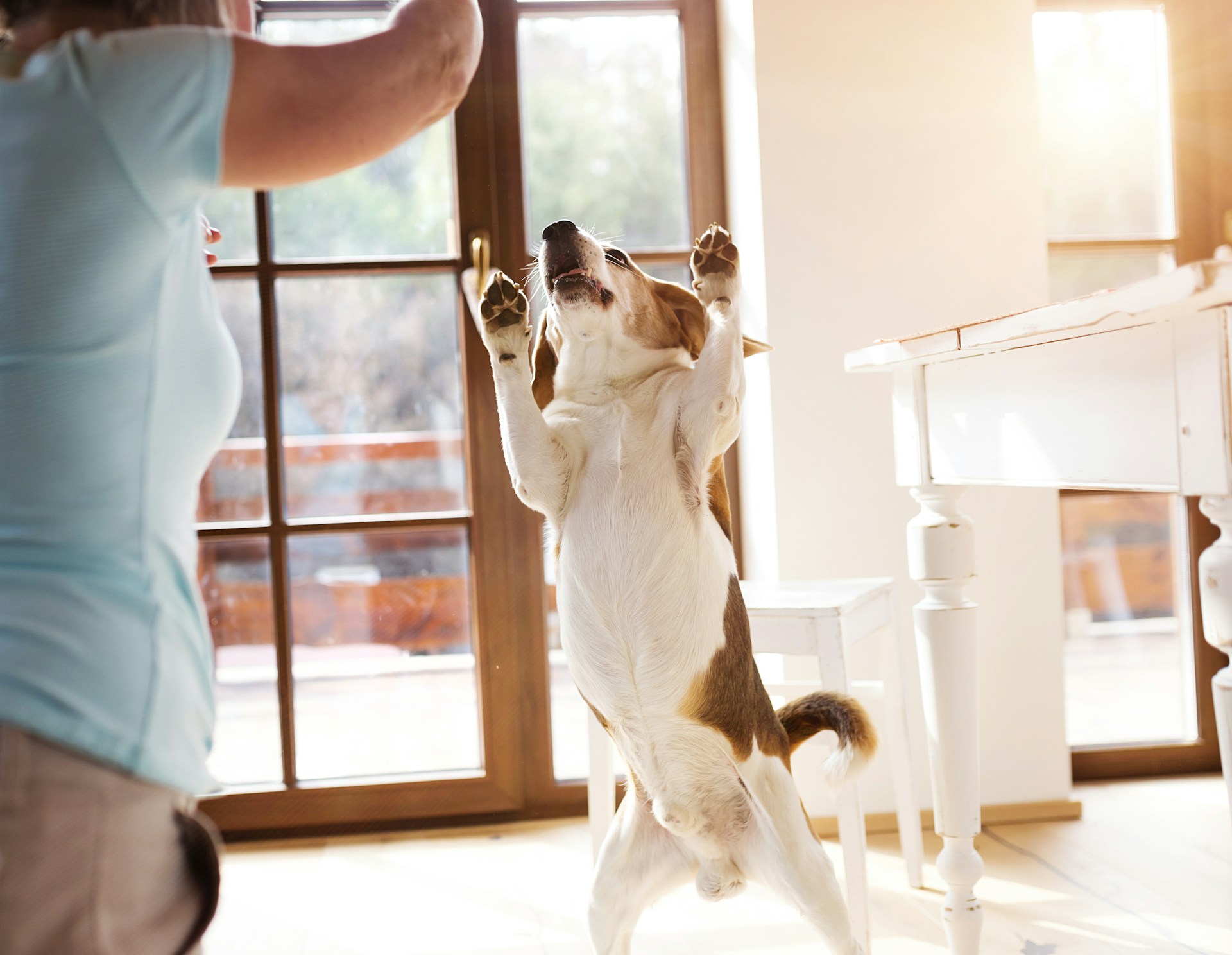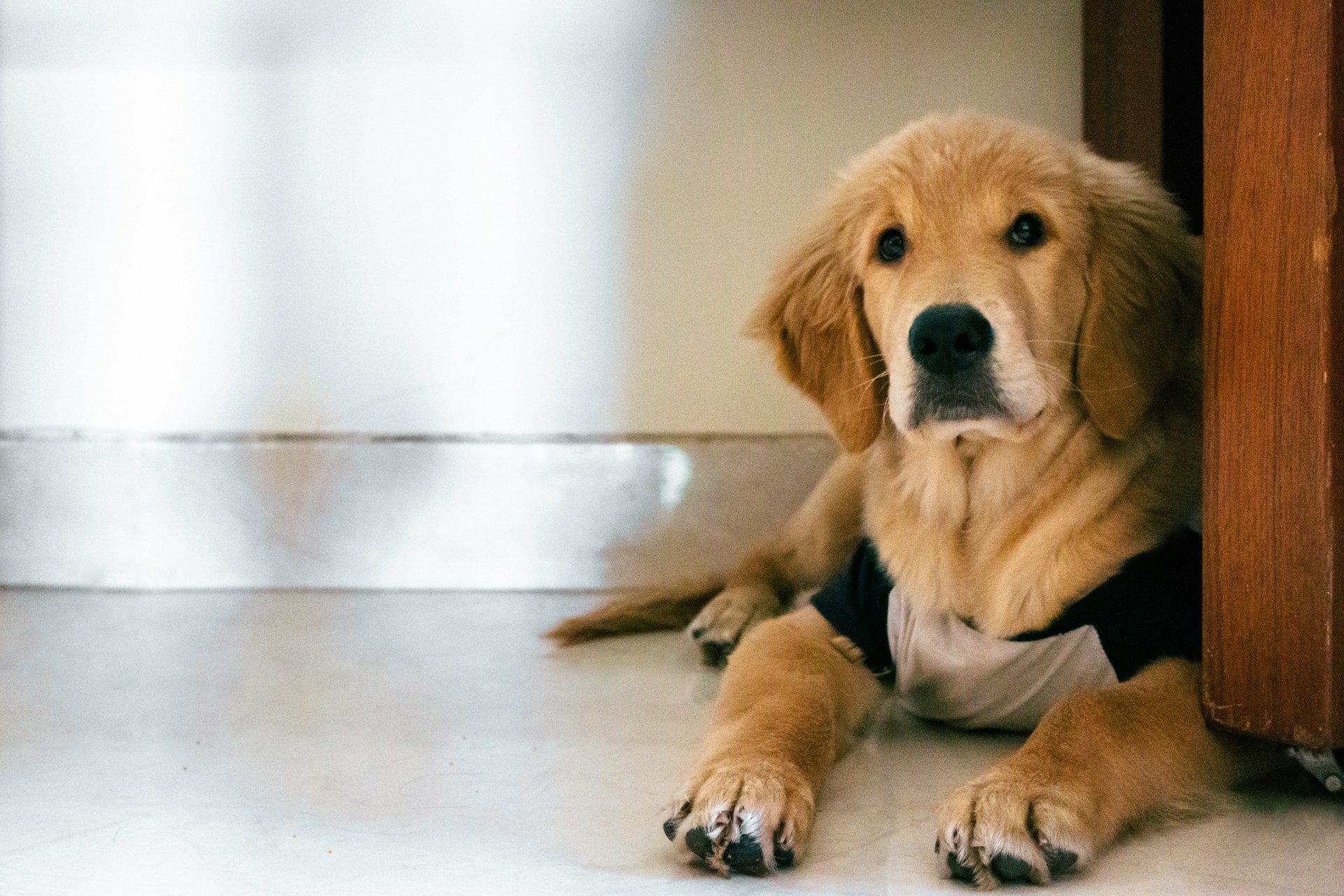
A long Brooklyn winter can be rough on your dog. Snow, ice, sidewalk salt, and dry indoor heat all add up. By early spring, many dogs are left with cracked paws, itchy skin, and new hot spots just as park season is starting again.
In this guide, we will walk through how winter in Brooklyn affects your dog’s paws and skin, simple ways to help them recover at home, when to bring in a professional groomer, and what signs mean it is time to see a vet. Our goal is to help your dog feel comfortable, so they can enjoy longer walks and more playtime as the weather warms up.
Table of Contents
ToggleHelp Your Dog’s Skin Recover After a Tough Brooklyn Winter
Brooklyn winters can be messy. One day it is snow and slush, the next day sidewalks are covered in rough rock salt. Inside, radiators and heaters run for hours. All of this dries out skin and paws, especially for dogs walking daily around Park Slope and nearby neighborhoods.
Early spring is a smart time to check your dog from nose to tail. As you start planning longer walks, more park trips, and outdoor cafes, it helps to know if their paws and skin are ready. Catching small problems now can stop bigger issues later.
Gentle, show-quality grooming that understands local streets, weather, and apartment living can make a big difference. A groomer who sees Brooklyn dogs every day can help you spot salt damage, dry spots, and early hot spots before they turn into painful problems.
How Winter in Brooklyn Damages Your Dog’s Paws and Skin
Winter puts stress on your dog in a few common ways:
- Sidewalk rock salt and ice melt on streets and stoops
- Frozen slush and dirty snow on corners and crosswalks
- Cold winds during quick bathroom breaks and longer walks
- Dry indoor air from radiators and forced-air heat
Salt and ice melt can sting paw pads, dry the skin between the toes, and cause redness. Grit and tiny stones can get stuck in the fur or small cracks in the pads. Repeated walks on cold, rough ground can make pads brittle and more likely to split.
Inside, heaters pull moisture from the air. Your dog’s skin can become:
- Flaky or dusty when you part the fur
- Itchy along the back, neck, or belly
- More prone to shedding as the coat dries out
Common signs of winter damage include:
- Paw pad cracking or rough, chalky pads
- Redness or dark staining between the toes
- Licking or chewing at paws after walks
- Dull, lifeless coat with more loose hair
- Dandruff and dry or sensitive patches on the body
If you are seeing several of these signs, it is time to focus on repair.
Post-Winter Paw Repair: Salt, Cracks, and Daily Care
A simple daily paw routine in early spring can do a lot of good. After walks around the block or to the park, try to:
- Rinse or gently wipe paws to remove salt and street dirt
- Pat dry, including between the toes, so moisture does not sit on the skin
- Take a quick look for redness, swelling, tiny cuts, or lodged grit
For minor cracks or dryness, many owners use paw balms or moisturizers made for dogs. It is important to pick products that are safe if licked and, when in doubt, ask a vet before using anything new. For dogs who walk long distances or spend time on rough sidewalks, soft booties can help protect healing pads.
Professional grooming can support healthy paws by:
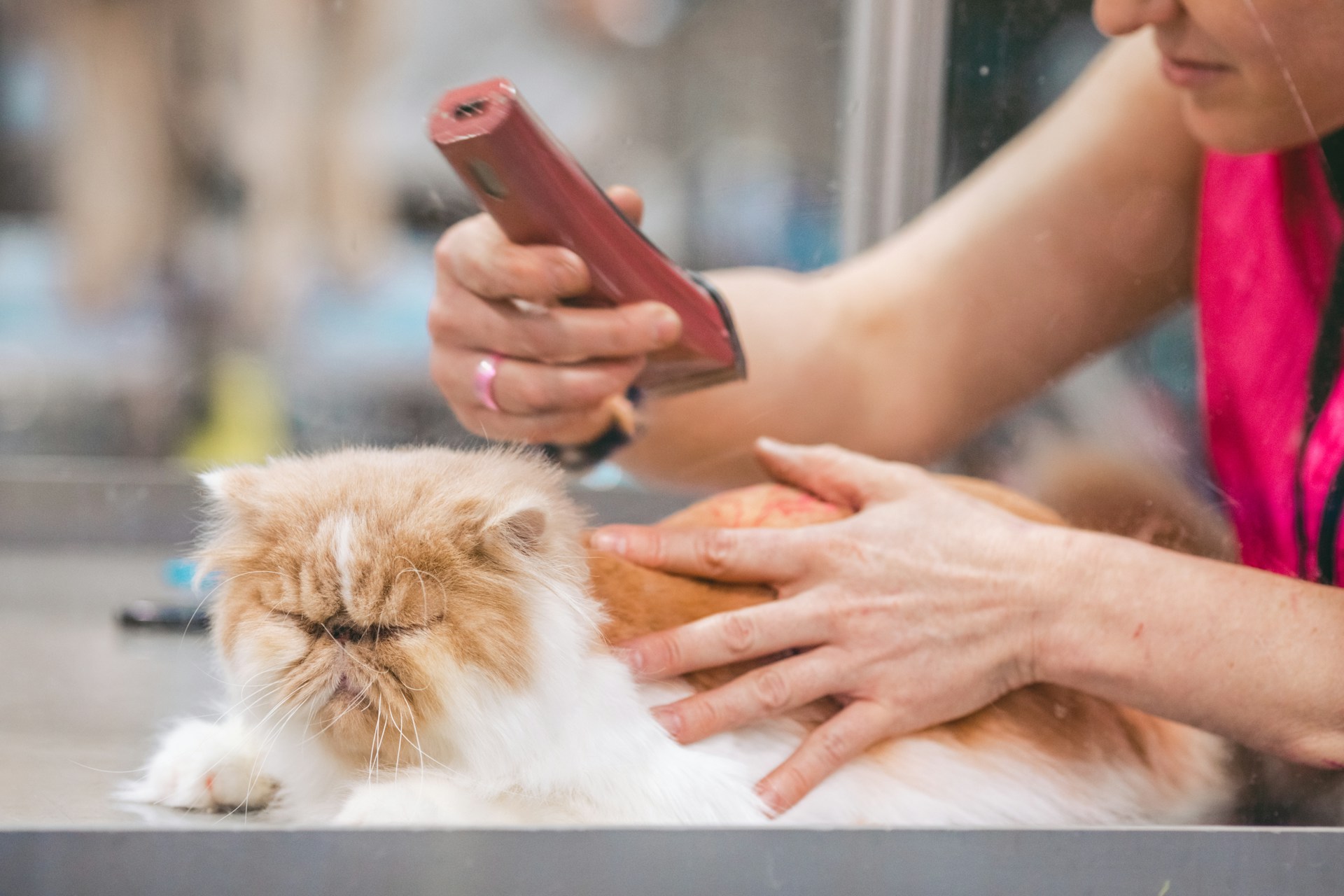
- Trimming the fur around paws so salt and grit are easier to wash away
- Keeping nails at a safe length so toes and pads land correctly
- Spotting early signs of infection or deeper cracks during the groom
When paws are checked and cared for on a regular schedule, problems are less likely to sneak up on you.
Soothe Itchy, Dry Skin and Prevent Spring Hot Spots
Dry winter skin often turns into spring hot spots when scratching and licking get out of control. As the weather warms up, dogs roll on the ground more, meet more pollen and dust, and may start to chew at already dry areas.
At home, you can help calm and protect skin by:
- Choosing a gentle, moisturizing dog shampoo instead of harsh formulas
- Avoiding over-bathing, which can strip the natural oils from the coat
- Brushing out leftover winter undercoat so air can reach the skin
- Asking your vet if omega-3 supplements or other support make sense
A slow, careful brush-out removes old, dead fur and helps the skin breathe. This can reduce the chance of tangles that trap moisture and lead to hot spots. Drying your dog fully after baths, rain, or snow is also important. Damp fur, especially in thick-coated breeds, is a common hot spot trigger.
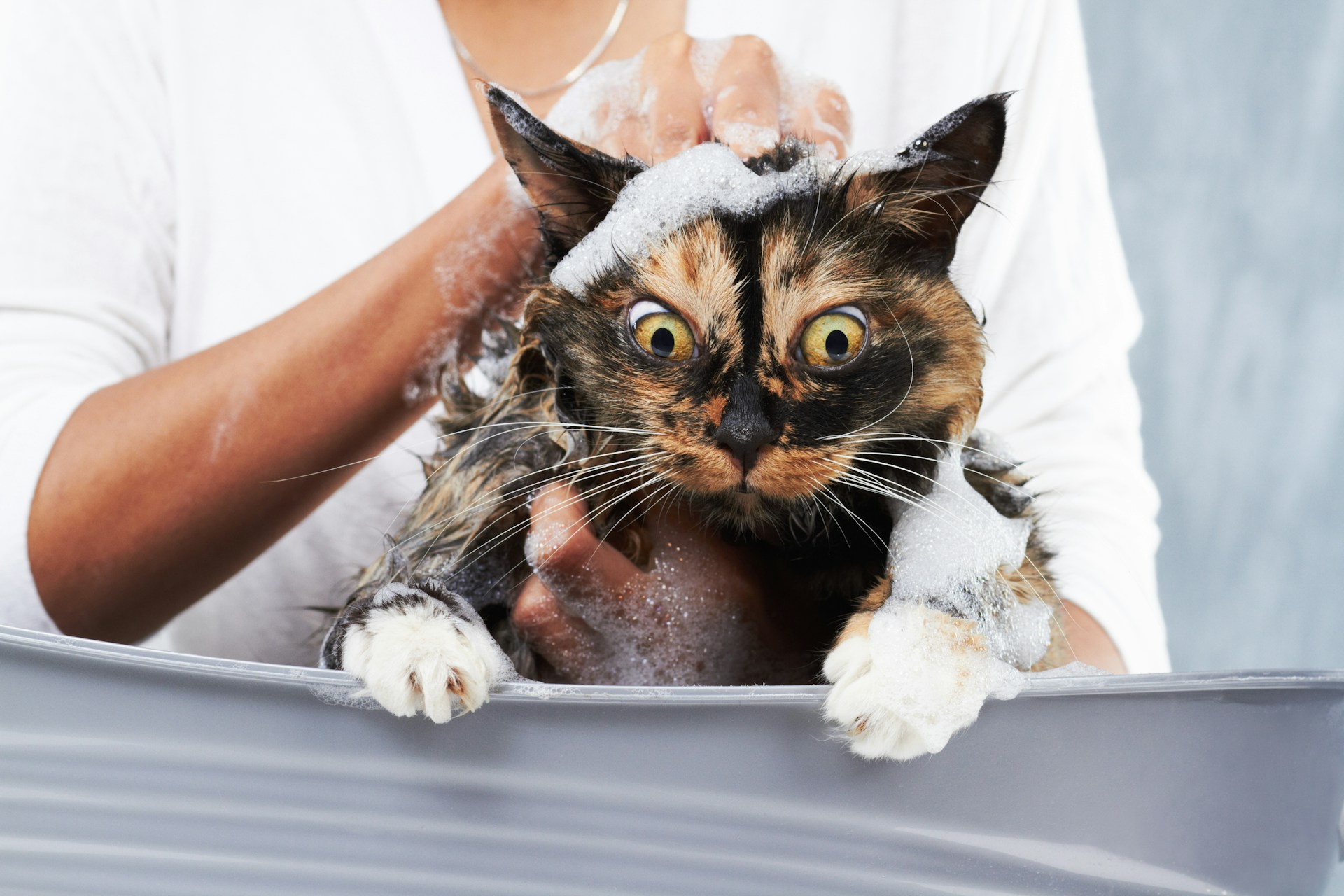
Skilled grooming can help manage sensitive skin by using gentle products, giving thorough but careful blow-drying, and adjusting the cut so problem areas stay clean and easy to check.
When Dry Skin Becomes a Vet Visit: Warning Signs to Watch
Some dryness and minor flakes can be normal after winter. A bit of extra shedding or mild itch that settles after a bath and brush-out is not always a reason to worry. But certain signs mean it is time to see a vet.
Watch for:
- Raw, oozing, or open areas on the skin
- Strong, sour, or yeasty odor from a spot
- Sudden or patchy hair loss
- Limping or clear pain from sore paws
- Obsessive licking or chewing that interrupts sleep
Paws that have deep cracks, bleeding, swelling, or heat should not be handled too much at home. Those can be signs of infection or other conditions that need medical care. The same goes for hot spots that spread quickly or do not improve.
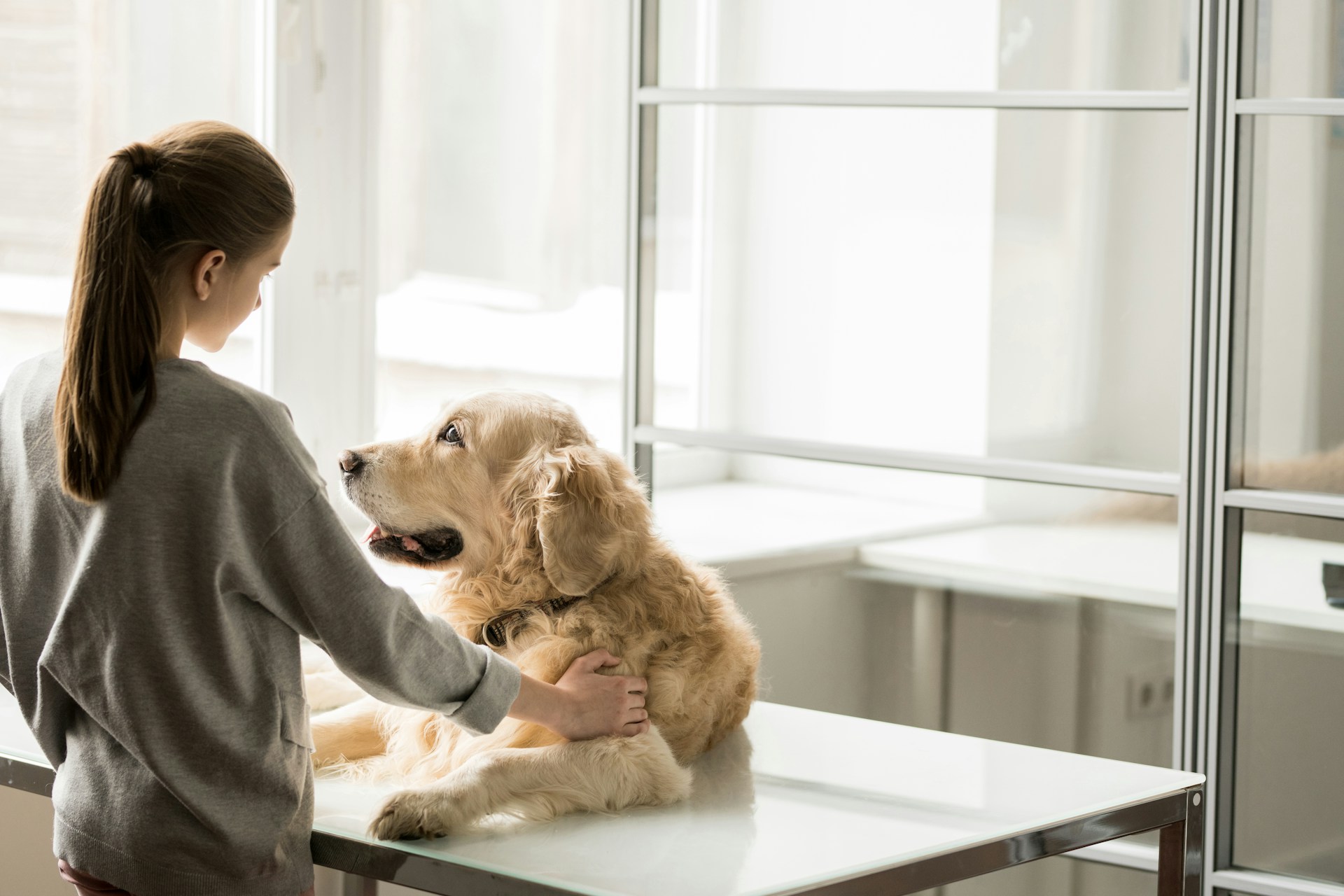
A strong team approach works best. Your vet can diagnose and treat what is happening under the skin, while a trusted groomer can keep the coat clean, trimmed, and easier to manage between vet visits.
Spring Grooming Game Plan for Brooklyn Dogs
As you head into warmer months, a simple grooming plan helps keep paws and skin in better shape. Many owners find this pattern helpful:
- One thorough post-winter grooming to reset skin and coat
- Regular baths spaced out so skin does not dry out again
- Timed trims or tidy-ups to match how quickly your dog’s coat grows
When choosing dog grooming in Brooklyn, NY, look for:
- Gentle handling and a calm, patient approach
- Clear communication about what is being done and why
- Experience with sensitive skin and coat types
- A clean, organized salon that feels safe and comfortable
Different dogs need different routines. A very active daycare dog that plays outside often may need more frequent baths and nail trims, along with regular paw checks. A smaller indoor dog with a fluffy coat might need more brush-outs and careful trimming around areas that mat easily.
Before your next spring walk, take a few minutes for a quick check at home. Run your hands over your dog’s body, lift each paw, look between the toes, and part the fur along the back and belly. Make note of any hot spots, rough pads, or flaky patches so you can share those details with your groomer or vet. That way, everyone works together to help your dog recover from winter and feel good for the sunny days ahead.
Give Your Dog a Safer, Happier Grooming Experience Today
If you are looking for trusted dog grooming in Brooklyn, NY, we are ready to care for your pup like a family at Brooklyn Pet Spa. Our groomers focus on comfort, safety, and a calm environment so your dog leaves clean, relaxed, and looking great. Schedule your appointment or ask questions anytime by using our contact us page, and let us help your dog feel their best.